

Seneca Falls Convention: The Women's Rights Movement Is Born
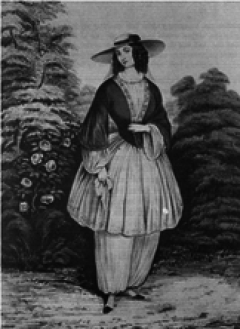
The convention in Seneca Falls launches a formal demand for women's suffrage through its Declaration of Sentiments while introducing the controversial Bloomer dress to challenge restrictive fashion norms. This gathering forces the public to confront legal inequalities, sparking decades of organized activism that eventually secures voting rights and reshapes American social structures.
July 19, 1848
178 years ago
Key Figures & Places


What Else Happened on July 19
The International Court of Justice ordered Israel to end its occupation of Palestinian territories and commanded all UN member states to stop recognizing that c…
A sudden thunderstorm capsizes the tourist boat Wonder Sea in Hạ Long Bay, killing at least 36 people. This tragedy exposes critical safety gaps in Vietnam's ma…
A faulty CrowdStrike update on July 19, 2024, grounded flights and paralyzed hospitals worldwide. This single glitch forced airlines to cancel thousands of depa…
Flames erupted in Rome’s merchant district, consuming ten of the city’s fourteen districts and displacing thousands of residents. While Nero’s alleged musical p…
Ten of Rome's fourteen districts. Gone. The fire started in shops near the Circus Maximus on July 18th, 64 CE, and burned for six days straight. Emperor Nero wa…
A general marched into Tarsus and declared himself emperor while the actual emperor, Zeno, still ruled in Constantinople. Leontius commanded troops in Isauria—h…
Talk to History
Have a conversation with historical figures who witnessed this era. Ask questions, explore perspectives, and bring history to life.