Today In History logo TIH
Fire erupted in the shops clustered around the Circus Maximus on July 18, 64 AD,
Featured Event 64 Event

July 18

Rome Burns: Nero's Great Fire Devastates the Capital

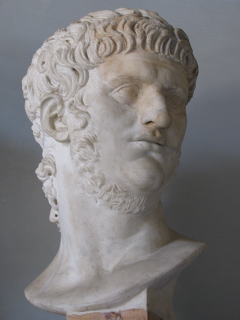
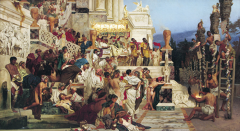
Fire erupted in the shops clustered around the Circus Maximus on July 18, 64 AD, and for six days the flames consumed the densest neighborhoods of the ancient world's largest city. The Great Fire of Rome destroyed ten of the city's fourteen districts, left hundreds of thousands homeless, and gave Emperor Nero both a propaganda crisis and an opportunity to rebuild the capital according to his own grandiose architectural vision. Rome in 64 AD was a city of roughly one million people crammed into narrow streets lined with wooden apartment blocks called insulae, some rising six or seven stories. Fire was a constant hazard, and the vigiles, Rome's firefighting force of 7,000 freedmen, battled blazes regularly. But the July fire, driven by summer winds through the tightly packed merchant quarter, overwhelmed every attempt at containment. The flames jumped firebreaks, consumed stone buildings alongside wooden ones, and burned for six days before being brought under control. A second outbreak lasted three more days. The historian Tacitus, writing decades later, described refugees flooding into open spaces and the countryside while looters operated freely. Nero, who was at his villa in Antium (modern Anzio) when the fire started, returned to Rome and opened public buildings and his own gardens as shelters. He organized food distribution from Ostia. The famous accusation that Nero "fiddled while Rome burned" is almost certainly propaganda invented by hostile senators; the fiddle did not exist in the first century, and Tacitus acknowledges Nero's relief efforts while noting the rumor that he sang about the fall of Troy while watching the blaze. Nero used the disaster to rebuild Rome with wider streets, stone buildings, and fire-resistant construction regulations. He also seized a vast tract of destroyed land in the city center to build his Domus Aurea, the Golden House, an enormous palace complex with a 120-foot bronze statue of himself in the vestibule. The extravagance fueled resentment. Nero blamed the fire on Christians, initiating the first Roman persecution of the sect, during which tradition holds that both Peter and Paul were executed. Whether Nero started the fire, exploited it, or merely responded to it remains debated, but the Great Fire permanently reshaped both the physical city and the political landscape of the Roman Empire.

July 18, 64

1962 years ago

Key Figures & Places
What Else Happened on July 18

Talk to History

Have a conversation with historical figures who witnessed this era. Ask questions, explore perspectives, and bring history to life.

Start Talking