
Apollo-Soyuz Docks: Cold War Rivals Unite in Space
Tom Stafford reached through an open hatch 140 miles above the Atlantic Ocean and shook hands with Alexei Leonov on July 17, 1975, creating the first physical link between American and Soviet spacecraft in orbit. The Apollo-Soyuz Test Project docking was a feat of engineering diplomacy, requiring two nations that pointed nuclear weapons at each other to share classified technical specifications, train in each other's languages, and entrust their crews to foreign-built hardware. The technical challenge was substantial. American and Soviet spacecraft had been designed independently with no thought of compatibility. Apollo used a pure oxygen atmosphere at 5 psi; Soyuz used a nitrogen-oxygen mix at standard atmospheric pressure. Opening a hatch between the two without a transition would have risked oxygen toxicity for the cosmonauts or decompression for the astronauts. Engineers designed a docking module that served as both airlock and connection point, with hatches on both ends and its own independent atmosphere control. The module was launched attached to the Apollo spacecraft. Soyuz 19 lifted off from Baikonur at 12:20 UTC on July 15, followed by Apollo from Kennedy Space Center at 19:50 UTC. The two spacecraft rendezvoused on July 17, with Stafford manually guiding Apollo to dock with Soyuz using a new androgynous docking system that allowed either ship to be the active partner. The symbolic equality mattered to the Soviets, who refused any arrangement suggesting their spacecraft was subordinate. Leonov, who had performed the first spacewalk in 1965 and nearly died when his spacesuit ballooned in the vacuum, greeted Stafford with a bear hug. The crews exchanged flags, shared meals of borscht and turkey, and conducted five joint scientific experiments over two days. Deke Slayton, flying for the first and only time after being grounded for thirteen years, floated between the two vessels with evident joy. The mission proved that international cooperation in space was technically feasible and politically survivable, establishing a precedent that led to the Shuttle-Mir program and ultimately the International Space Station, the most complex and longest-running international engineering project in human history.
July 17, 1975
51 years ago
Key Figures & Places
Apollo program
Wikipedia
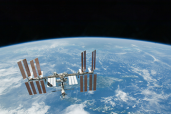
orbit
Wikipedia
Apollo-Soyuz Test Project
Wikipedia
Soyuz spacecraft
Wikipedia
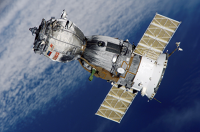
Soyuz spacecraft
Wikipedia
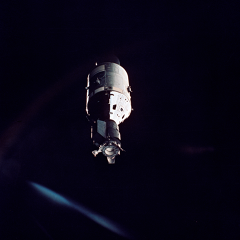
Apollo–Soyuz Test Project
Wikipedia
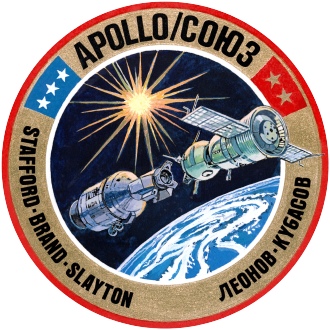
Apollo–Soyuz
Wikipedia
Apollo program
Wikipedia
Soyuz (spacecraft)
Wikipedia
Orbit
Wikipedia
Apolo
Wikipedia
Spacecraft
Wikipedia
Space Race
Wikipedia
Space rendezvous
Wikipedia
Programme spatial des États-Unis
Wikipedia
Soviet space program
Wikipedia
What Else Happened on July 17
Twelve people refused to sacrifice to Roman gods. That's it. That's what got them killed in Scillium, North Africa, on July 17, 180 AD. The proconsul Saturninus…
Twenty-three days. That's how long Damasus II held the papacy before dying in Palestrina, just outside Rome. Born Poppo of Brixen, he'd been handpicked by Emper…
The Crusaders weren't supposed to be there at all. They'd borrowed 85,000 silver marks from Venice to reach Egypt, couldn't pay, and got rerouted to Constantino…
A prince burned his nephew's palace to the ground and took the throne by force. Zhu Di had spent three years waging civil war against the Jianwen Emperor, his o…
A teenage peasant girl from Lorraine escorted a reluctant prince through English-held territory to the cathedral where French kings had been crowned for eight c…
Jean Bureau positioned 300 cannons in a fortified camp outside Castillon and waited. The English commander John Talbot, Earl of Shrewsbury, charged anyway—73 ye…
Talk to History
Have a conversation with historical figures who witnessed this era. Ask questions, explore perspectives, and bring history to life.