Saddam Seizes Power: Iraq's Dictator Takes Control
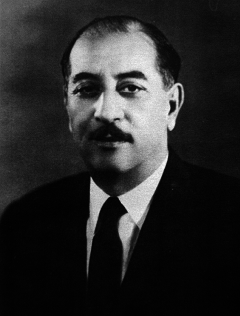
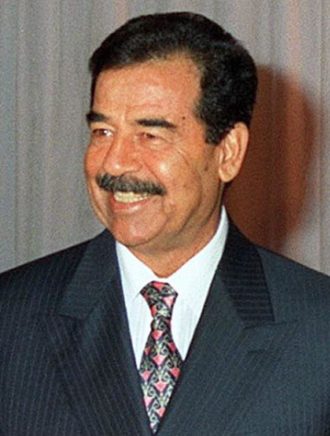
Saddam Hussein had been running Iraq from the shadows for a decade when he finally stepped into the presidency on July 16, 1979, forcing out the ailing Ahmed Hassan al-Bakr and immediately purging the party leadership in a display of calculated brutality that foreshadowed the wars and atrocities to come. Within days of taking office, Saddam orchestrated one of the most chilling political purges ever recorded on video. Saddam had been the real power in Iraq since the Ba'ath Party's second coup in 1968. As vice president and head of security services, he nationalized the oil industry, modernized infrastructure, launched literacy campaigns, and systematically eliminated rivals. Al-Bakr, technically president, was older and in declining health, and had served increasingly as a figurehead while Saddam built a personal power base through the intelligence services, the military, and the Ba'ath Party apparatus. By 1979, the question was not whether Saddam would take over, but when. The trigger was al-Bakr's interest in a proposed union with Syria, which would have made Syrian President Hafez al-Assad the senior partner in the merged state. Saddam forced al-Bakr's resignation on July 16, citing health reasons, and assumed the presidency. On July 22, he convened an extraordinary session of Ba'ath Party leaders. A visibly shaken secretary-general read a prepared confession of a fabricated Syrian-backed conspiracy. Saddam, smoking a Cuban cigar, personally called out the names of sixty-eight alleged conspirators, who were escorted from the hall one by one. Some wept, others protested their loyalty. The remaining party members were then required to form firing squads and execute their colleagues. The purge eliminated all potential challengers and bound the survivors to Saddam through shared complicity. He would rule Iraq for twenty-four years, launching the Iran-Iraq War in 1980, invading Kuwait in 1990, and presiding over a regime that used chemical weapons, systematic torture, and mass execution to maintain control. An estimated 250,000 to 500,000 Iraqis died as a result of his policies, and two American-led wars were fought to contain and ultimately remove him. He was captured hiding in a hole in December 2003 and executed by hanging in December 2006.
July 16, 1979
47 years ago
Key Figures & Places
What Else Happened on July 16
Muhammad left Mecca with a handful of followers in September 622, walking 280 miles north to Medina to escape assassination. The journey itself wasn't remarkabl…
Tsar Samuel's Bulgarian forces crumble against Nikephoros Ouranos's Byzantine army at the Spercheios River, ending his decade-long campaign to reclaim Macedonia…
The papal bull wasn't even valid—Pope Leo IX had died three months earlier. But Cardinal Humbert didn't know that when he marched into Hagia Sophia on July 16, …
Alfonso VIII watched 60,000 Christian knights gather at Toledo—the largest crusader army ever assembled on Iberian soil. On July 16, 1212, they met Muhammad al-…
Two years. That's how long the Catholic Church waited after Giovanni di Pietro di Bernardone died before declaring him a saint—the fastest canonization in medie…
Arjona's declaration of independence thrust Muhammad ibn Yusuf into leadership as a local ruler in southern Spain, launching a political career that would event…
Talk to History
Have a conversation with historical figures who witnessed this era. Ask questions, explore perspectives, and bring history to life.