

Scopes Monkey Trial Begins: Evolution in Court
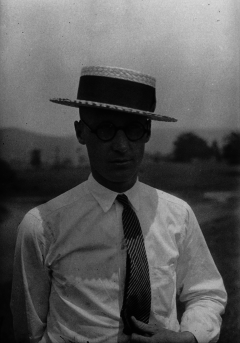
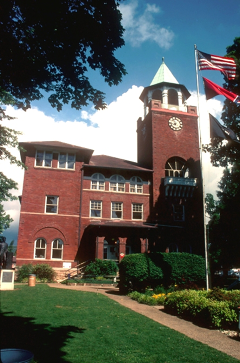
High school teacher John Scopes stood trial in Dayton, Tennessee, for violating the Butler Act by teaching evolution, drawing legendary attorneys Clarence Darrow and William Jennings Bryan into a nationally broadcast courtroom battle. The "Monkey Trial" exposed the deepening rift between scientific modernism and religious fundamentalism in American education. Though Scopes was convicted, the spectacle turned public opinion against anti-evolution laws.
July 10, 1925
101 years ago
Key Figures & Places


What Else Happened on July 10
en la provincia romana de Macedonia, Pompeyo propina una catastrófica derrota a Julio César en la batalla de Dirraquio.
Julius Caesar narrowly escaped total annihilation at Dyrrhachium after Pompey’s forces breached his lines, forcing a desperate retreat into Thessaly. This tacti…
en lo que hoy sería la actual ciudad de León (España), la Legio VII Gemina se instala en el noroeste de la península ibérica
He'd spent three years trying to die. Hadrian, Rome's wall-building emperor, suffered heart failure at his seaside villa in Baiae on July 10, 138 AD—but only af…
Der mutmaßlich aus Nordafrika stammende Miltiades wird Papst. Er ist ein Gegner des Montanismus.
Liu Yu seizes the throne from Emperor Gong of Jin to establish the Liu Song dynasty in 420 AD. This coup ends the Eastern Jin era and fractures China into the N…
Talk to History
Have a conversation with historical figures who witnessed this era. Ask questions, explore perspectives, and bring history to life.