

Fillmore Takes Oath: Presidency After Taylor's Death
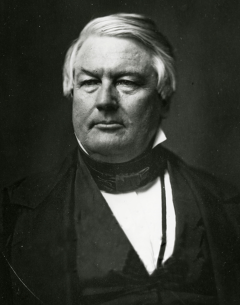
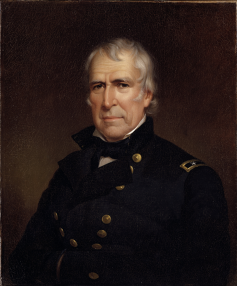
Zachary Taylor ate a bowl of cherries and iced milk at a Fourth of July celebration, fell violently ill, and was dead by July 9, 1850. Vice President Millard Fillmore took the oath of office the following day, inheriting a presidency consumed by the most dangerous crisis since the founding of the republic. Taylor, a career military officer and Mexican-American War hero, had won the presidency in 1848 without ever having voted in an election. Despite being a slaveholder from Louisiana, he had surprised the South by opposing the expansion of slavery into territories won from Mexico. His sudden death at age 65, likely from acute gastroenteritis, removed the one figure who might have forced a confrontation over slavery a decade before the Civil War. Fillmore, a self-educated lawyer from rural New York, immediately reversed Taylor's course. Where Taylor had threatened to veto any compromise legislation and personally lead troops against Southern secessionists, Fillmore threw his support behind Henry Clay's omnibus proposal. He replaced Taylor's entire cabinet within weeks and signaled to Congress that he would sign compromise bills. The resulting Compromise of 1850, which Fillmore championed and signed into law, admitted California as a free state, organized the Utah and New Mexico territories with popular sovereignty, abolished the slave trade in Washington, D.C., and enacted the Fugitive Slave Act. This last provision, requiring Northerners to assist in capturing escaped slaves, enraged abolitionists and deepened the sectional divide it was meant to heal. Fillmore kept the Union together for another decade, but at a moral cost that destroyed his political career and his Whig Party along with it.
July 10, 1850
176 years ago
Key Figures & Places
What Else Happened on July 10
Julius Caesar narrowly escaped total annihilation at Dyrrhachium after Pompey’s forces breached his lines, forcing a desperate retreat into Thessaly. This tacti…
He'd spent three years trying to die. Hadrian, Rome's wall-building emperor, suffered heart failure at his seaside villa in Baiae on July 10, 138 AD—but only af…
Liu Yu seized the throne from Emperor Gong of Jin to establish the Liu Song dynasty in 420 AD, ending the Eastern Jin era through a carefully orchestrated trans…
Prince Naka-no-Ōe watched Soga no Iruka read tribute reports from Korea for twelve minutes before drawing his sword. The date was June 14, 645. Iruka controlled…
A Viking warlord knelt to an Irish king and founded a city by accident. Glun Iarainn—"Iron Knee"—ruled Dublin's Norse settlement when Máel Sechnaill II's armies…
The fire started in Southwark, jumped the Thames, and trapped Londoners on London Bridge itself—packed with timber houses on both sides. Three thousand people d…
Talk to History
Have a conversation with historical figures who witnessed this era. Ask questions, explore perspectives, and bring history to life.