Australia Becomes a Nation: Queen Grants Assent
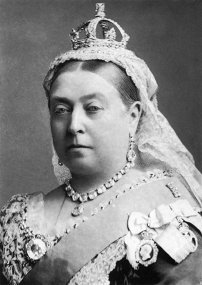
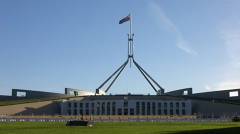
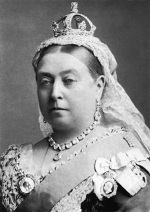
Queen Victoria granted royal assent to the Commonwealth of Australia Constitution Act on July 9, 1900, merging six separate British colonies into a single federal nation. The act created a new country of nearly four million people spread across a continent, but the path to federation had taken over a decade of negotiation, two constitutional conventions, and multiple referendums before the colonies agreed to surrender enough sovereignty to make union viable. Federation was driven by practical concerns as much as national sentiment. The six colonies maintained separate customs systems that taxed each other s goods, separate railway gauges that required passengers and freight to change trains at colonial borders, and separate defense forces too small to repel any serious external threat. The rise of imperial Germany, French expansion in the Pacific, and growing Japanese naval power gave military coordination particular urgency. Henry Parkes, the Premier of New South Wales, launched the formal federation movement with his Tenterfield Oration in 1889, calling for a national parliament and government. Two constitutional conventions followed, in 1891 and 1897-98, producing a draft constitution that balanced the interests of large and small colonies through a bicameral parliament modeled on both the British Westminster system and the American federal structure. The Senate gave equal representation to each state regardless of population, while the House of Representatives was apportioned by population. Referendums in each colony between 1898 and 1900 produced majorities for federation, though the process was contested. New South Wales initially voted yes but below the required threshold, forcing amendments and a second vote. Western Australia held out longest, not voting until July 1900, swayed partly by the gold rush population in Kalgoorlie who threatened to secede from the colony and join the federation independently. The Commonwealth of Australia officially came into existence on January 1, 1901. Edmund Barton became the first prime minister, and a temporary capital was established in Melbourne while the planned national capital at Canberra was constructed. The new constitution did not extend rights to Aboriginal Australians, who were excluded from census counts and largely denied the vote until the 1960s referendum — an omission that shadows federation s legacy.
July 9, 1900
126 years ago
Key Figures & Places
What Else Happened on July 9
Hadrian waited 367 days to enter his own capital. The new emperor spent that first year securing borders, executing four senators he claimed plotted against him…
Emperor Theodosius I concluded the First Council of Constantinople, formalizing the Nicene Creed as the official doctrine of the Roman Empire. By codifying the …
The Roman military commander Avitus ascended to the throne in Gaul, proclaimed Emperor by the Visigothic King Theodoric II. This elevation signaled the desperat…
The Heruli guardsmen attacked at night, elite troops betting everything on darkness and surprise. Odoacer had ruled Italy for fifteen years—longer than most emp…
A massive earthquake shattered Beirut and triggered a violent tsunami that leveled the coastal cities of Byzantine Phoenicia. This disaster claimed thousands of…
General Kim Yu-sin's Silla forces crushed the Baekje army at Hwangsanbeol, shattering their military power after fierce fighting that reportedly claimed thousan…
Talk to History
Have a conversation with historical figures who witnessed this era. Ask questions, explore perspectives, and bring history to life.