

Argentina Declares Independence from Spain
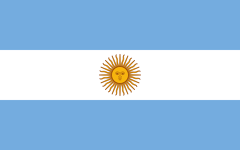
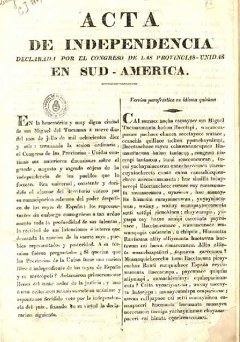
Argentina declares independence from Spain, shattering centuries of colonial rule and birthing a new nation in South America. This bold move sparks decades of regional conflict as neighboring provinces fight to define the borders and governance of the emerging republic.
July 9, 1816
210 years ago
Key Figures & Places


What Else Happened on July 9
en Grecia se registra un eclipse de Sol que había sido predicho por el astrónomo Tales de Mileto.
Hadrian waited 367 days to enter his own capital. The new emperor spent that first year securing borders, executing four senators he claimed plotted against him…
en Pérgamo (Turquía, a 30 km al este del mar Egeo) sucede un terremoto de X grados en la escala de Mercalli. Se desconoce el número de muertos.
Emperor Theodosius I concluded the First Council of Constantinople, formalizing the Nicene Creed as the official doctrine of the Roman Empire. By codifying the …
The Roman military commander Avitus ascended to the throne in Gaul, proclaimed Emperor by the Visigothic King Theodoric II. This elevation signaled the desperat…
The Heruli guardsmen attacked at night, elite troops betting everything on darkness and surprise. Odoacer had ruled Italy for fifteen years—longer than most emp…
Talk to History
Have a conversation with historical figures who witnessed this era. Ask questions, explore perspectives, and bring history to life.