

Thomas More Beheaded: Henry VIII Kills His Own Conscience
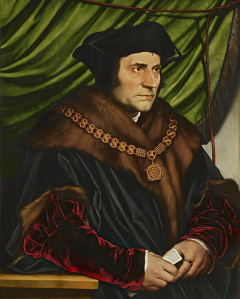
Sir Thomas More accepted execution rather than sign the Act of Supremacy, compelling King Henry VIII to sever ties with Rome and establish an independent Church of England. His refusal to acknowledge the king as head of the church secured his legacy as a martyr for conscience while triggering decades of religious upheaval across Britain.
July 6, 1535
491 years ago
Key Figures & Places
What Else Happened on July 6
Four thousand Spartans marched into Boeotia expecting another easy victory. Epaminondas did something no Greek general had tried: he stacked fifty men deep on h…
Epaminondas shattered the myth of Spartan invincibility at the Battle of Leuctra by deploying his innovative oblique phalanx against King Cleombrotus I. This ta…
'Amr ibn al-'As commanded just 15,000 men when he faced the Byzantine garrison outside Heliopolis in July 640. The city guarded the route to Alexandria, Egypt's…
fondation de la ville du Caire.
En la península ibérica, el condado de Barcelona se rinde al caudillo andalusí Almanzor, que entra en la ciudad tras asediarla durante ocho días.
bataille de Pontlevoy, victoire de Foulques III, comte d'Anjou, allié à Herbert du Mans, sur Eudes II, comte de Blois
Talk to History
Have a conversation with historical figures who witnessed this era. Ask questions, explore perspectives, and bring history to life.