

Israel Passes the Law of Return: Any Jew Can Become a Citizen
Israel's Knesset passed the Law of Return, granting every Jewish person worldwide the automatic right to immigrate and claim citizenship. The law codified the young state's founding purpose as a homeland for Jews after the Holocaust and triggered waves of immigration that reshaped Israel's demographics, culture, and geopolitical standing in the Middle East.
July 5, 1950
76 years ago
Key Figures & Places

Israel
Wikipedia

Jew
Wikipedia

Knesset
Wikipedia

Jews
Wikipedia

Zionism
Wikipedia
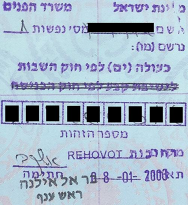
Law of Return
Wikipedia

Knesset
Wikipedia

Israel
Wikipedia
Law of Return
Wikipedia

Jews
Wikipedia

United Nations General Assembly Resolution 194
Wikipedia

Geschichte des Staates Israel
Wikipedia

Zionism
Wikipedia

1963 demonstrations in Iran
Wikipedia

Ruhollah Khomeini
Wikipedia

Mohammad Reza Pahlavi
Wikipedia

United States
Wikipedia
What Else Happened on July 5
Theophilus Patricius engineered a bridge across the Danube's 1,400-meter width using twenty stone piers sunk into one of Europe's fastest currents. The architec…
Nach dem Tod des Papstes Paul I. wird Konstantin II. als Gegenpapst eingesetzt.
Siria es sacudida por un terremoto de unos 7,6 grados en la escala de Richter, que deja un saldo de entre 30.000 y 60.000 muertos. Historiadores modernos consid…
Der 85-jährige Eremit Pietro del Murrone wird zum Papst gewählt. Nach einigen Tagen akzeptiert er trotz seiner Bedenken die Wahl und regiert als Coelestin V.
King John Balliol and Philip IV of France formalized the Auld Alliance, committing both nations to military support against Edward I of England. This mutual def…
Louis of Burgundy and Ferdinand of Majorca clashed at the Battle of Manolada, fighting for control of the Principality of Achaea. Ferdinand died in the skirmish…
Talk to History
Have a conversation with historical figures who witnessed this era. Ask questions, explore perspectives, and bring history to life.