Olive Branch Fails: Colonies' Last Plea Before War
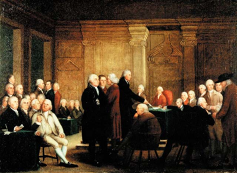
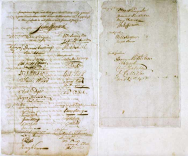
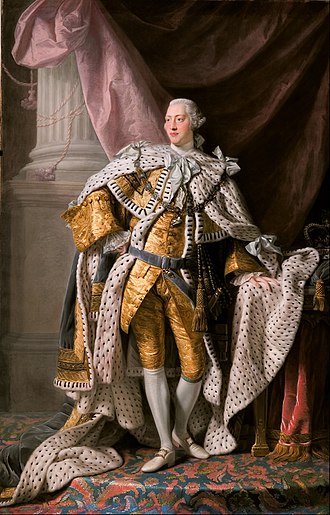
The Second Continental Congress adopted the Olive Branch Petition on July 5, 1775, a carefully worded appeal to King George III that represented the colonies last attempt to avoid a complete break with Britain. Written primarily by John Dickinson of Pennsylvania, the petition affirmed colonial loyalty to the Crown while begging the king to intervene against Parliament s aggressive policies. By the time it crossed the Atlantic, the gesture was already obsolete. The petition reflected a genuine division within Congress. Dickinson and a moderate faction still believed reconciliation was possible and desirable. They wanted to roll back the Intolerable Acts, restore colonial self-governance, and return to the relationship that had existed before the Stamp Act crisis. John Adams and the radicals considered the petition a waste of time that projected weakness. Adams privately called it a "measure of imbecility" in a letter that British agents intercepted and published, undermining the petition s credibility before it even arrived. Congress approved the petition the day after authorizing the Declaration of the Causes and Necessity of Taking Up Arms, a far more combative document that justified armed resistance. The contradiction was deliberate — the moderates needed the Olive Branch Petition to maintain political support among colonists who were not yet ready for independence, while the radicals needed the declaration to keep militia volunteers fighting. King George III refused to receive the petition. He did not read it. On August 23, 1775, he issued the Proclamation of Rebellion, declaring the colonies in a state of open revolt and ordering the suppression of the uprising by force. The royal rejection eliminated the middle ground that moderates like Dickinson had tried to preserve. Within a year, the same Congress that had pledged loyalty to the king would declare independence. The Olive Branch Petition s failure demonstrated that the political space for compromise had closed. The king s refusal to engage pushed undecided colonists toward independence and gave the radical faction the evidence they needed: negotiation had been tried and rejected.
July 5, 1775
251 years ago
Key Figures & Places

What Else Happened on July 5
Theophilus Patricius engineered a bridge across the Danube's 1,400-meter width using twenty stone piers sunk into one of Europe's fastest currents. The architec…
King John Balliol and Philip IV of France formalized the Auld Alliance, committing both nations to military support against Edward I of England. This mutual def…
Louis of Burgundy and Ferdinand of Majorca clashed at the Battle of Manolada, fighting for control of the Principality of Achaea. Ferdinand died in the skirmish…
Pope Gregory XIII gave the Maronites their own college in Rome, but he died before signing the papers. His successor, Sixtus V, finished the job in 1584. The sc…
Pedro Lopes de Sousa marched 20,000 Portuguese and Lascarin troops into Kandy's interior in October 1594, convinced the mountain kingdom would fall within days.…
John Guy departed Bristol with 39 colonists to establish the first permanent English settlement in Newfoundland at Cupids. This expedition transitioned England’…
Talk to History
Have a conversation with historical figures who witnessed this era. Ask questions, explore perspectives, and bring history to life.