

Lou Gehrig's Farewell: The Luckiest Man on the Face of the Earth
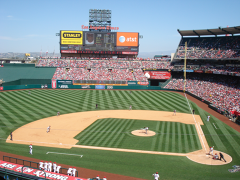
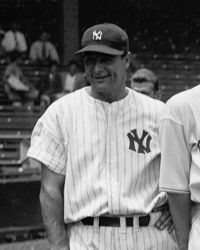
Lou Gehrig turned his devastating ALS diagnosis into a moment of profound grace by telling a stunned crowd at Yankee Stadium that he considered himself the luckiest man on earth before announcing his retirement. This speech instantly transformed him from a celebrated athlete into a global symbol of dignity in the face of terminal illness, setting a new standard for how public figures handle personal tragedy.
July 4, 1939
87 years ago
Key Figures & Places



What Else Happened on July 4
Epaminondas led the Thebans to a decisive victory over the Spartans at the Battle of Mantinea, though he died in the final charge. His tactical brilliance shatt…
A thirteen-year-old emperor signed away his throne to his fifteen-year-old sister. Aelia Pulcheria didn't wait for permission—she proclaimed herself Augusta in …
The peace lasted exactly ten years—unusual for medieval Italy, where treaties typically collapsed within months. Prince Sicard of Benevento and Duke Andrew II o…
début d'une bataille à Bratislava entre les Magyars et les Francs orientaux.
The pope needed witnesses. Actual people who'd seen miracles. So when John XV canonized Ulrich of Augsburg on January 31, 993, he required testimony—sworn state…

Chinese court astronomers recorded a "guest star" so bright it cast shadows at noon for 23 consecutive days. Arab physician Ibn Butlan saw it too, 5,000 miles a…
Talk to History
Have a conversation with historical figures who witnessed this era. Ask questions, explore perspectives, and bring history to life.