

First Zeppelin Flight: Count Zeppelin Lifts Off Over Lake Constance
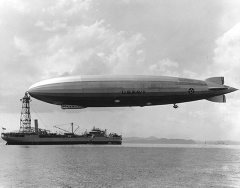
Count Ferdinand von Zeppelin's rigid airship lifted off from Lake Constance, proving that controlled heavier-than-air flight was possible and launching an era of high-altitude travel. This successful test flight directly enabled the development of commercial passenger services and military reconnaissance platforms that would define early 20th-century aviation.
July 2, 1900
126 years ago
Key Figures & Places



What Else Happened on July 2
Miltiades tritt sein Amt als Bischof von Rom an.
Valentinian III turned eighteen in 437, old enough to rule the Western Roman Empire alone. His mother Galla Placidia officially stepped back from her fifteen-ye…

Two brothers died in an ambush at the palace's north gate, arrows finding their marks before they could draw swords. Li Shimin killed them himself on July 2, 62…
Six bodies, three generations, one hillside. Emperor Zhongzong moved them all to Mount Liang in 706—his father Gaozong, his mother Wu Zetian (China's only femal…
Robert the Strong falls at Brissarthe, shattering Frankish control over Neustria and leaving the region vulnerable to Viking raids for decades. This defeat forc…
O exército romano-oriental (bizantino) proclama Nicéforo II Focas Imperador dos Romanos nas planícies de Caiseri.
Talk to History
Have a conversation with historical figures who witnessed this era. Ask questions, explore perspectives, and bring history to life.