Clive Wins Plassey: Britain Seizes Control of Bengal
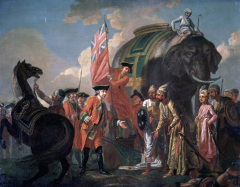
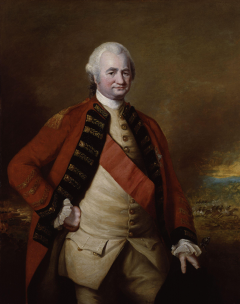
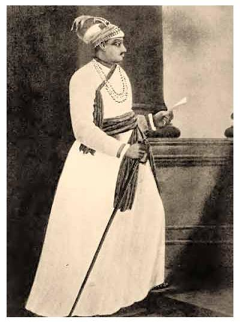
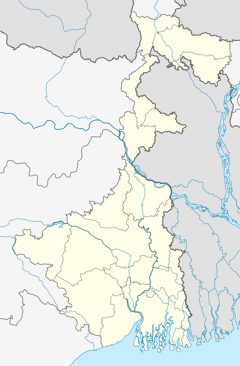
Robert Clive defeated an army of 50,000 with fewer than 3,000 soldiers, and the victory changed the trajectory of an entire subcontinent. At the Battle of Plassey on June 23, 1757, Clive’s combined force of British East India Company troops and Indian sepoys routed Siraj ud-Daulah, the Nawab of Bengal, in an engagement that lasted barely eight hours and cost the British fewer than 75 casualties. The battle was won before it began. Clive had secretly negotiated with Mir Jafar, one of Siraj’s senior commanders, who agreed to hold back his troops during the fighting in exchange for being installed as the new nawab. When the battle opened with an artillery exchange and a sudden monsoon rainstorm, most of Siraj’s massive army stood idle on the field. Mir Jafar’s forces, comprising roughly a third of the Nawab’s army, never engaged. Siraj fled the battlefield when it became clear his generals had abandoned him. He was captured and executed days later. The immediate cause of the conflict was the Black Hole of Calcutta incident the previous year, when Siraj’s forces captured the British garrison at Fort William and allegedly confined 146 prisoners in a small cell overnight, with most dying of suffocation. Though modern historians debate the exact death toll, the incident gave Clive the justification to mount a punitive expedition from Madras with the backing of the East India Company’s directors. Plassey transformed the East India Company from a trading enterprise into a territorial power. Mir Jafar, installed as a puppet nawab, granted the Company control of Bengal’s revenues, the richest province in India. The wealth extracted from Bengal financed further military expansion and helped fund Britain’s Industrial Revolution. What began as a commercial dispute ended as the first step in nearly two centuries of British colonial rule over the Indian subcontinent.
June 23, 1757
269 years ago
Key Figures & Places

What Else Happened on June 23
He didn't wait for permission. Sun Quan had controlled the Yangtze River delta for decades, outlasting rivals who underestimated him, watching Cao Cao die, watc…
Minamoto Yorimasa and his allies clashed with the Taira clan at the Uji River, triggering the five-year Genpei War. This struggle ended the era of imperial cour…
The Genoese showed up to Trapani with more ships. They lost every single one. The War of Saint Sabas wasn't about saints — it was about trade routes, warehouse …
Granada's outnumbered army didn't retreat. They waited. At Moclín in 1280, Emir Muhammad II let the Castilian force chase them into the narrow passes of the Sie…
Castile sent 10,000 soldiers into the mountains near Moclín expecting a straightforward campaign. They walked into a trap. Granadan forces used the brutal terra…
The Treaty of Athis-sur-Orge forced the Flemish to pay crushing war indemnities and cede key territories to the French crown following their defeat at Mons-en-P…
Talk to History
Have a conversation with historical figures who witnessed this era. Ask questions, explore perspectives, and bring history to life.