Pendleton Act: Merit Replaces Political Patronage
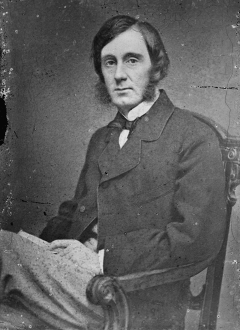
The assassination of President James Garfield by a disgruntled office-seeker in 1881 accomplished what decades of reform advocacy could not. Charles Guiteau shot Garfield at a Washington train station on July 2, claiming he had been denied a diplomatic appointment he believed he deserved. Garfield lingered for eleven weeks before dying on September 19, and the public outrage over a system that let unstable political operatives feel entitled to government positions created irresistible momentum for civil service reform. The Pendleton Civil Service Reform Act, signed into law on January 16, 1883, by President Chester Arthur, replaced the spoils system that had governed federal employment since Andrew Jackson's presidency with a merit-based framework. Under the old system, newly elected presidents and their allies distributed tens of thousands of government jobs to political supporters, regardless of qualification. Customs collectors, postmasters, and federal clerks owed their positions to party loyalty, and they were expected to kick back a percentage of their salaries to the party that appointed them. The act created the United States Civil Service Commission, an independent body that administered competitive examinations for federal positions. Applicants would be ranked by test scores, and appointments would go to the highest-qualified candidates. The law also prohibited firing employees for political reasons and banned mandatory campaign contributions from civil servants. Initially, the act covered only about 10 percent of federal positions, but it gave the president authority to expand the classified service by executive order, a provision that successive presidents used to steadily increase coverage. The legislation's path through Congress was smoothed by two factors beyond Garfield's death: the Republican Party had just suffered devastating losses in the 1882 midterm elections, and outgoing congressmen preferred to protect their appointees with civil service protections rather than see them replaced by the incoming Democratic majority. Self-interest and reform happened to align. The Pendleton Act did not eliminate patronage in American politics, but it began the transformation of the federal government from a collection of political operatives into a professional bureaucracy. Today, more than 90 percent of federal employees are covered by the merit system the act created.
January 16, 1883
143 years ago
Key Figures & Places

What Else Happened on January 16
She ruled Egypt as a pharaoh when women weren't supposed to wear the crown. Hatshepsut dressed as a man, complete with a fake beard, to legitimize her power - a…
A skinny, sickly 35-year-old just transformed the entire Roman world with a single title. Octavian — now Augustus — wasn't a hulking warrior, but a strategic ge…
Siyaj K'ak' didn't just conquer. He obliterated. Marching from Teotihuacán with an army that moved like obsidian blades through jungle, he dismantled Tikal's ru…
The city of Rome fell not to a thundering assault but to a whispered transaction. In 550 AD, the Ostrogothic King Totila recaptured Rome from the Byzantine garr…
The most powerful monarch in medieval Europe wasn't in Paris or Constantinople. He was in Spain. Abd-ar-Rahman III transformed a regional emirate into a dazzlin…
The Council of Nablus, held on January 16, 1120, produced the earliest surviving written laws of the Crusader Kingdom of Jerusalem, establishing legal framework…
Talk to History
Have a conversation with historical figures who witnessed this era. Ask questions, explore perspectives, and bring history to life.