

Constitution Ratified: New Hampshire Becomes the 9th State, It's Official
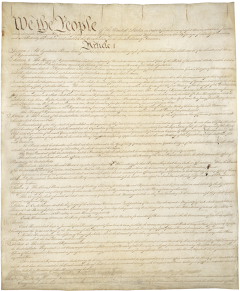
The thirteen states ratified the document that established a federal government divided into legislative, executive, and judicial branches. This framework created the world's shortest written constitution still in force today, influencing countless nations while remaining unchanged for over two centuries except through twenty-seven appended amendments.
June 21, 1788
238 years ago
Key Figures & Places
What Else Happened on June 21
Hannibal hid 40,000 soldiers in fog. Not metaphorical fog — literal morning mist clinging to the hills above Lake Trasimene, where Gaius Flaminius marched his a…
a unos 70 km al oeste del lago Trasimeno (centro de Italia) a las 11:00 aprox. (hora local) sucede un terremoto de magnitud 6,5 en la escala sismológica de Rich…
en la batalla de Vézeronce, Gundomar (rey de los burgundios) derrota a los francos.
King Godomar II routed the Frankish forces at the Battle of Vézeronce, securing a temporary reprieve for the Burgundian Kingdom. By killing the Merovingian prin…
Belisarius had 15,000 soldiers, no maps of the African coast, and a general who'd recently been relieved of command for insubordination. Not the obvious recipe …
Kaiser Friedrich Barbarossa verleiht Augsburg das Stadtrecht erneut, das der Ort als römisches Augusta Vindelicum bereits vom römischen Kaiser Hadrian im Jahr 1…
Talk to History
Have a conversation with historical figures who witnessed this era. Ask questions, explore perspectives, and bring history to life.