

SS Savannah Reaches Liverpool: First Steam-Powered Atlantic Crossing
The steamship Savannah docks in Liverpool, proving that steam power can bridge the Atlantic despite relying mostly on sails for the long haul. This arrival shatters the assumption that ocean crossings must depend entirely on wind, pushing engineers to immediately begin designing vessels capable of sustained steam propulsion across open waters.
June 20, 1819
207 years ago
Key Figures & Places

United Kingdom
Wikipedia
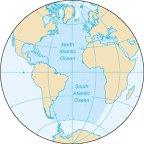
Atlantic Ocean
Wikipedia
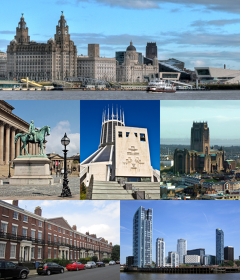
Liverpool
Wikipedia
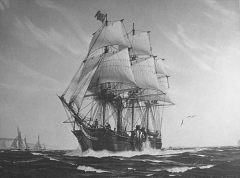
SS Savannah
Wikipedia

Ship
Wikipedia
Atlantic
Wikipedia

SS Savannah
Wikipedia

Liverpool
Wikipedia
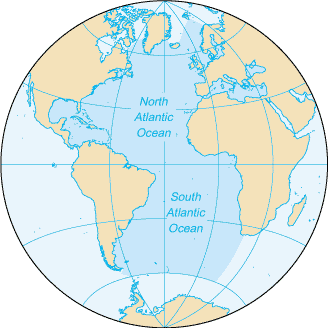
Atlantic Ocean
Wikipedia

Caribbean Sea
Wikipedia

Mariano Barberán
Wikipedia

Joaquín Collar Serra
Wikipedia

Vuelo del Cuatro Vientos
Wikipedia

Havana
Wikipedia

Mexico
Wikipedia
What Else Happened on June 20
Attila the Hun lost a battle he never actually lost. At the Catalaunian Plains in modern-day France, somewhere between 150,000 and 300,000 men clashed in one of…
Batalla de Raor, un fuerte ejército liderado por Muhammad ibn al-Qasim, marcha hacia Debal donde se une a una flota. La victoria se gana a través de una catapul…
Prince Mochihito’s failed bid for the throne ignited the First Battle of Uji, pitting the Taira clan against the Minamoto. This clash shattered the fragile peac…
Oxford didn't start with a charter. It started with a fight. English scholars got expelled from Paris around 1167 — a diplomatic spat between Henry II and Louis…
Im Vertrag von Kremmen erkennt Herzog Wartislaw III. von Pommern gegenüber den Markgrafen Johann I. und Otto III. die brandenburgische Lehnshoheit an und tritt …
The War of the Sicilian Vespers started with a bell. Easter Monday, 1282 — Sicilians massacred thousands of French soldiers in a single night, then handed the i…
Talk to History
Have a conversation with historical figures who witnessed this era. Ask questions, explore perspectives, and bring history to life.