

Philippines Declares Independence from Spain
General Emilio Aguinaldo declared the Philippines' independence from Spain, triggering a brutal three-year war with the United States that replaced Spanish colonial rule with American imperialism. This shift cemented U.S. dominance in the Pacific while delaying full sovereignty for the archipelago until 1946.
June 12, 1898
128 years ago
Key Figures & Places
Spain
Wikipedia
Philippines
Wikipedia
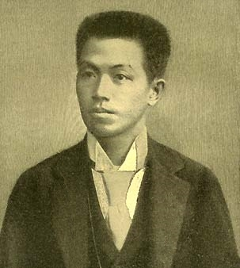
Emilio Aguinaldo
Wikipedia
Philippine Declaration of Independence
Wikipedia

Philippine Declaration of Independence
Wikipedia

Emilio Aguinaldo
Wikipedia
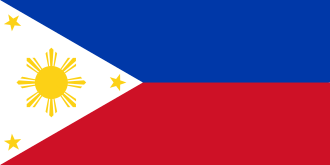
Philippines
Wikipedia

Independence Day
Wikipedia

Spain
Wikipedia

National day
Wikipedia

Independence
Wikipedia

Historia de Filipinas
Wikipedia
Public holidays in the Philippines
Wikipedia

List of national independence days
Wikipedia
What Else Happened on June 12
The Hungarians were running away. That's what Louis the Child's army thought. They chased the retreating Magyar horsemen straight into a trap — and the East Fra…
Qutb ud-Din Aibak established the Delhi Sultanate after the assassination of his predecessor, Muhammad Ghori, shifting the center of Islamic political power fro…
A Christian monk walked into a debate he was guaranteed to win. Nicholas Donin had converted from Judaism and handed the Church a list of 35 charges against the…
el papa Bonifacio VIII nombra a Jaime II de Aragón rey de Cerdeña y Córcega.
Thousands of armed peasants converged on Blackheath, demanding an end to serfdom and the abolition of poll taxes that crippled the rural poor. This massive mobi…
The gates of Paris swung open from the inside. That's the part people miss — nobody stormed the city. A group of Burgundian sympathizers, led by agents of John …
Talk to History
Have a conversation with historical figures who witnessed this era. Ask questions, explore perspectives, and bring history to life.