

Australia Federates: Commonwealth Born in 1901
Six separate British colonies voted to become one country, and one of them almost said no. Western Australia''s referendum passed with barely 60 percent approval, and only after London applied direct pressure on the holdouts. The Commonwealth of Australia came into existence on January 1, 1901, after a decade of conventions, referendums, and bitter arguments over tariffs, immigration, and which city would become the capital. The federation movement had been building since the 1880s, driven primarily by practical concerns rather than nationalist fervor. The six colonies maintained separate customs, separate railways with different track gauges, and separate postal systems. A letter from Sydney to Melbourne crossed an international border. Defense was the other motivator: French and German colonial ambitions in the Pacific made the scattered colonies nervous about their inability to coordinate military responses. Edmund Barton, a Sydney barrister who had campaigned relentlessly for federation, became the first Prime Minister. The constitution he helped draft created a parliamentary system modeled on Westminster with a senate modeled on Washington, a hybrid that reflected Australia''s dual inheritance. It also gave the federal government power to make laws regarding "the people of any race," a clause that would underpin decades of discriminatory legislation including the White Australia policy. Aboriginal Australians were explicitly excluded from the national census and barred from voting in federal elections. That exclusion lasted until the 1967 referendum, when over 90 percent of Australians voted to count Indigenous people as citizens of the country they had inhabited for 65,000 years. The nation celebrated its birth in 1901. Its original inhabitants were not invited.
January 1, 1901
125 years ago
Key Figures & Places
New South Wales
Wikipedia
Queensland
Wikipedia
Victoria (Australia)
Wikipedia
South Australia
Wikipedia
Tasmania
Wikipedia
Western Australia
Wikipedia
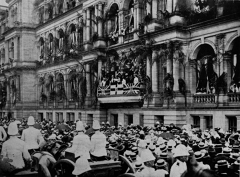
Australian Federation
Wikipedia
Australia
Wikipedia
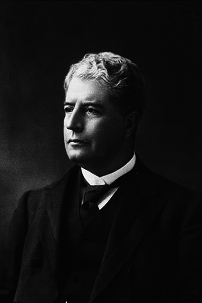
Edmund Barton
Wikipedia
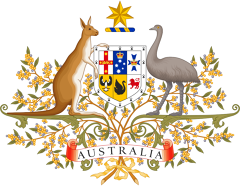
Prime Minister of Australia
Wikipedia
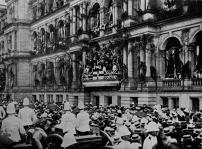
Federation of Australia
Wikipedia

New South Wales
Wikipedia

Queensland
Wikipedia

Victoria
Wikipedia

South Australia
Wikipedia

Tasmania
Wikipedia

Western Australia
Wikipedia

Federation of Australia
Wikipedia

Australia
Wikipedia

Edmund Barton
Wikipedia

Prime Minister of Australia
Wikipedia

Commonwealth of Nations
Wikipedia

Australian dollar
Wikipedia

Pound sterling
Wikipedia

Sydney
Wikipedia

British
Wikipedia
What Else Happened on January 1
Roman consuls began their year in office on January 1 for the first time in 153 BC. Before that, they'd taken power on March 15. The change happened because Rom…
The Julian calendar takes effect as the civil calendar of the Roman Empire, establishing January 1 as the new date of the new year. That was -45.
The Roman Senate posthumously deifies Julius Caesar. That was -42.
The Roman legions stationed in Germania Superior refused to swear their annual oath of loyalty to Emperor Galba, triggering a revolt that quickly spread to neig…
January 1, 153. Roman consuls begin their year in office.
The Senate chooses Pertinax against his will to succeed Commodus as Roman emperor. That was 193.
Talk to History
Have a conversation with historical figures who witnessed this era. Ask questions, explore perspectives, and bring history to life.