

Elizabeth I Crowned Queen: England's Greatest Monarch Takes Power
She was twenty-five and unmarried, inheriting a throne torn apart by religious wars. Elizabeth stepped into Westminster Abbey knowing she'd have to outsmart every scheming nobleman who thought a woman couldn't rule. Her coronation wasn't just pageantry—it was a declaration of survival. And she'd wear white, the color of virginity and power, a symbolic middle finger to anyone who doubted her. The Tudor dynasty's most famous monarch was about to remake England in her own brilliant, uncompromising image.
January 15, 1559
467 years ago
Key Figures & Places

London
Wikipedia

Elizabeth I
Wikipedia
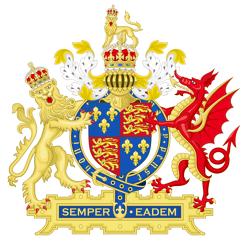
List of English monarchs
Wikipedia
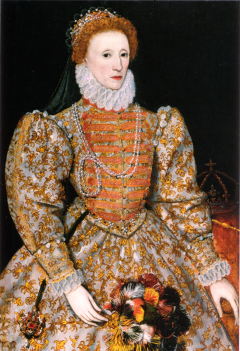
Elizabeth I of England
Wikipedia
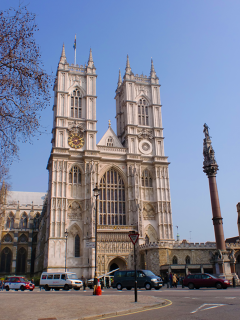
Westminster Abbey
Wikipedia

Elizabeth I
Wikipedia

List of English monarchs
Wikipedia

Monarchy of Ireland
Wikipedia

Westminster Abbey
Wikipedia
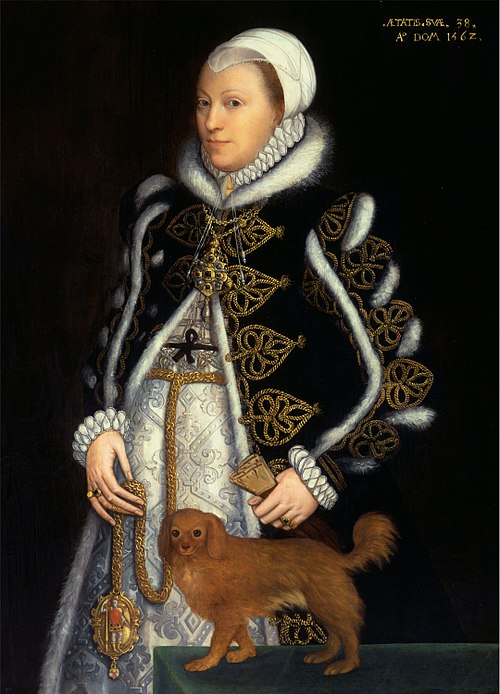
Catherine Carey
Wikipedia

Carlisle
Wikipedia

Archbishop of Canterbury
Wikipedia

England
Wikipedia

Ireland
Wikipedia

Geschichte Englands
Wikipedia
Geschichte Irlands (1536–1801)
Wikipedia

Elizabethan era
Wikipedia
Weltmacht
Wikipedia

1524
Wikipedia

London
Wikipedia
What Else Happened on January 15
Thirteen thousand starving people. A city under total blockade. Nebuchadrezzar's Babylonian armies didn't just want Jerusalem—they wanted to crush the spirit of…
Nabucodonosor II de Babilonia sitia Jerusalén bajo el reinado de Sedequías. El sitio durará dos años, hasta el 18 de julio del 586 a. C.
He lasted 95 days. A former playboy and Nero's wingman, Otho seized the imperial throne through pure audacity—murdering his predecessor Galba in broad daylight …
Während des Nika-Aufstandes der Zirkusparteien gegen den byzantinischen Kaiser Justinian I. zünden Aufständische mehrere Gebäude an, unter anderem den Großen Pa…
إعلان قيام الدولة الفاطمية في المغرب بعد نجاح أبي عبد الله الشيعي في دعوته وجذب الأعوان والأنصار لها وقيامه بمبايعة عبيد الله المهدي بالخلافة.
à Paris, Philippe II Auguste crée juridiquement l'université de Paris en octroyant une charte royale accordant le for ecclésiastique à ses membres.
Talk to History
Have a conversation with historical figures who witnessed this era. Ask questions, explore perspectives, and bring history to life.