

Alcoholics Anonymous Founded: Dr. Bob's Last Drink
Dr. Robert Smith took his last drink alongside Bill Wilson to establish Alcoholics Anonymous in Akron, Ohio, creating a peer-support model that transformed addiction recovery from a medical mystery into a global movement of shared experience. This partnership birthed the twelve-step program, which now guides millions of people worldwide through structured community support rather than clinical isolation.
June 10, 1935
91 years ago
Key Figures & Places
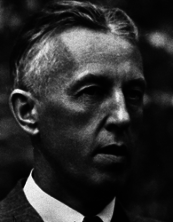
Bill W.
Wikipedia
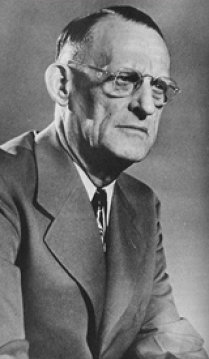
Bob Smith (doctor)
Wikipedia
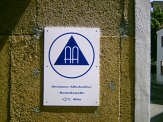
Alcoholics Anonymous
Wikipedia

Akron, Ohio
Wikipedia
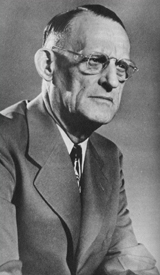
Bob Smith (doctor)
Wikipedia

Alcoholics Anonymous
Wikipedia

Akron, Ohio
Wikipedia

Bill W.
Wikipedia

Ohio
Wikipedia

United States
Wikipedia
Sobriedad
Wikipedia
Abstinenz
Wikipedia

Ethanol
Wikipedia

John F. Kennedy
Wikipedia

Homem
Wikipedia

Woman
Wikipedia
What Else Happened on June 10

Emperor Tenji installs the Rokoku water clock in Ōtsu to standardize timekeeping across the imperial court. This innovation transformed daily governance by repl…
Frederick I Barbarossa drowned in the Saleph River while leading his massive army toward Jerusalem, shattering the Holy Roman Empire’s momentum in the Third Cru…
Pope Honorius III issued the bull Vineae Domini custodes, formally authorizing Dominican friars to carry their missionary work to Morocco. The papal endorsement…
Ottoman forces under Orhan Gazi crushed the Byzantine army at the Battle of Pelekanon, ending imperial control over Bithynia. This defeat stripped Constantinopl…
An empire lost Asia Minor not in a great clash of armies, but in a single afternoon's retreat. At Pelekanon, near Nicomedia, Emperor Andronikos III faced the Ot…
Peasants nearly took France. Not metaphorically — they burned castles, killed nobles, and sent the aristocracy fleeing for their lives. The Jacquerie uprising o…
Talk to History
Have a conversation with historical figures who witnessed this era. Ask questions, explore perspectives, and bring history to life.