Laki Erupts: Volcanic Haze Starves Europe for Seven Years
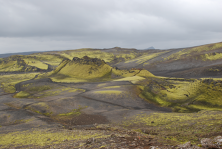
A fissure in the earth 27 kilometers long opened in southeastern Iceland on June 8, 1783, and did not stop erupting for eight months. The Laki volcanic system produced approximately 14 cubic kilometers of basaltic lava and released an estimated 120 million tons of sulfur dioxide into the atmosphere. The eruption killed over 9,000 Icelanders, roughly a quarter of the island’s population, and its atmospheric effects were felt across the Northern Hemisphere for years. The lava flows were catastrophic but survivable. The gas cloud was not. Sulfur dioxide and hydrofluoric acid rained down on Iceland’s pastures, poisoning the grass that sustained the island’s sheep and cattle. Over fifty percent of Iceland’s livestock died of fluorosis, a condition in which fluorine compounds destroy teeth and bones. With no animals and no hay, the human population starved. The period is known in Icelandic history as the Moduhardindi, the "Mist Hardships." The Danish government, which ruled Iceland, debated evacuating the entire population to the mainland. The eruption’s reach extended far beyond Iceland. A toxic haze drifted across Europe during the summer of 1783, causing respiratory illness, crop failures, and unusually high death rates. Benjamin Franklin, serving as American ambassador in Paris, observed the haze and speculated that a volcanic eruption in Iceland was responsible, one of the earliest scientific connections between volcanism and climate. Parish records across England, France, and the Low Countries show elevated mortality during the summer and fall. The sulfur aerosols Laki injected into the stratosphere cooled global temperatures by an estimated one to three degrees Celsius over the following years. Crop failures across Europe contributed to the economic hardship and popular discontent that helped trigger the French Revolution in 1789, though historians debate the strength of this connection. What is not debated is the scale: Laki was one of the largest volcanic events in recorded history, and its effects demonstrated that a single eruption in a remote corner of the North Atlantic could reshape weather patterns and food supplies across an entire continent.
June 8, 1783
243 years ago
Key Figures & Places
What Else Happened on June 8
Galba was 70 years old when the Senate handed him Rome. Seventy. The oldest man to ever take the throne, and he knew it. He'd spent decades as a loyal general, …
The teenage priest Elagabalus, backed by his grandmother's gold and the loyalty of Syrian legions, defeated Emperor Macrinus outside Antioch after Macrinus's ow…
Attila the Hun breached the Alps and descended upon northern Italy, systematically dismantling cities like Aquileia to force a Roman surrender. This campaign cr…
The Prophet Muhammad died on June 8, 632 AD, in the arms of his wife Aisha in Medina, and the community he had built nearly tore itself apart over the question …
The monks never saw them coming — because no one thought the sea was a threat. Lindisfarne's abbey sat on a tidal island off Northumbria's coast, seemingly prot…
Harthacnut collapsed and died during a wedding feast, ending his brief, unpopular reign over England. His sudden death triggered an immediate succession crisis …
Talk to History
Have a conversation with historical figures who witnessed this era. Ask questions, explore perspectives, and bring history to life.