Lee Resolution Passed: America Declares Independence
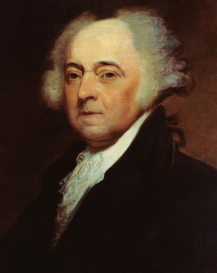
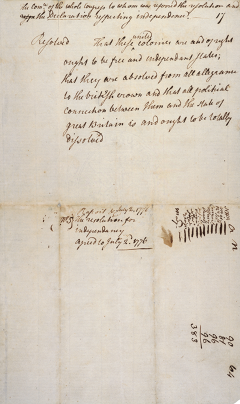
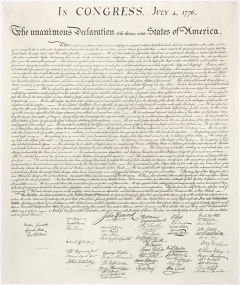
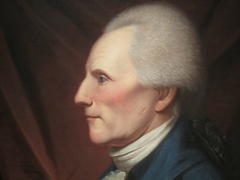
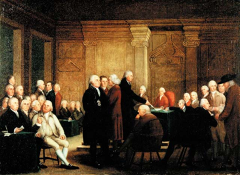
Richard Henry Lee stood before the Second Continental Congress in Philadelphia on June 7, 1776, and said what many delegates had been thinking but few were prepared to declare publicly. "Resolved, that these United Colonies are, and of right ought to be, free and independent States," Lee announced, reading from a resolution authorized by the Virginia Convention. The motion called for independence from Britain, foreign alliances, and a plan of confederation. Twelve words in the first clause changed the course of the war and the meaning of the rebellion. The resolution forced a choice that moderates in Congress had been delaying for months. John Adams of Massachusetts immediately seconded the motion, but delegates from New York, New Jersey, Pennsylvania, Delaware, Maryland, and South Carolina either opposed independence or lacked instructions from their colonial assemblies to vote for it. Congress postponed the decision for three weeks to allow wavering colonies to receive new instructions and to appoint a committee to draft a formal declaration in case the vote succeeded. Thomas Jefferson, at thirty-three the youngest member of the drafting committee, wrote most of the Declaration of Independence during those three weeks in a rented room on Market Street. Adams and Benjamin Franklin made revisions. The document transformed Lee’s dry legal resolution into a philosophical statement that grounded American independence in universal principles of human equality and natural rights, language that would echo through every subsequent liberation movement on Earth. Congress voted on Lee’s resolution on July 2, 1776, approving it with twelve colonies in favor and New York abstaining. The formal Declaration was adopted two days later, on July 4. John Adams predicted that July 2 would be celebrated as the great anniversary festival, with "pomp and parade, with shows, games, sports, guns, bells, bonfires, and illuminations." He was off by two days. Lee’s resolution provided the legal act of separation; Jefferson’s Declaration provided the words that made the act immortal.
June 7, 1776
250 years ago
Key Figures & Places
What Else Happened on June 7
She was a pagan poet's daughter from Athens — and she almost didn't make it to Constantinople at all. Theodosius II's sister Pulcheria, who effectively ran the …
Pope John VIII officially recognized Duke Branimir’s rule, granting Croatia formal status as an independent state. By securing this papal blessing, Branimir suc…
Henry II ascended the German throne, consolidating power after the sudden death of his cousin, Emperor Otto III. By securing the loyalty of the German nobility,…
The city hadn't had rain in weeks. Crusader soldiers were dying of thirst outside Jerusalem's walls in the summer of 1099, some drinking their own horses' blood…
The First Crusade's siege of Jerusalem began on June 7, 1099, with barely 1,500 knights and 12,000 foot soldiers remaining from the original force of approximat…
Friuli had outlasted Rome's collapse, survived barbarian migrations, and held itself together for centuries under the Patriarch of Aquileia. Then Venice sent tr…
Talk to History
Have a conversation with historical figures who witnessed this era. Ask questions, explore perspectives, and bring history to life.