

Battle of Novara: Swiss Crush the French in Italy
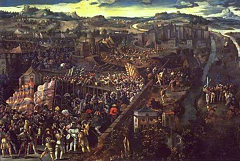
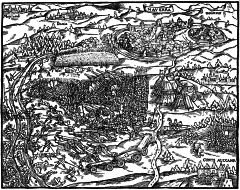
Swiss mercenaries routed the French army at Novara, driving Louis de la Tremoille's forces out of Milan and restoring Duke Massimiliano Sforza to power. The victory demonstrated the battlefield dominance of Swiss pike formations but proved short-lived, as France would recapture Milan just two years later at the Battle of Marignano.
June 6, 1513
513 years ago
Key Figures & Places
France
Wikipedia
Milan
Wikipedia

Switzerland
Wikipedia
Italian Wars
Wikipedia
Battle of Novara (1513)
Wikipedia
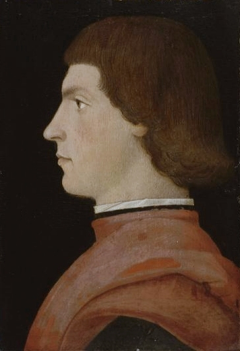
Louis de la Tremoille
Wikipedia
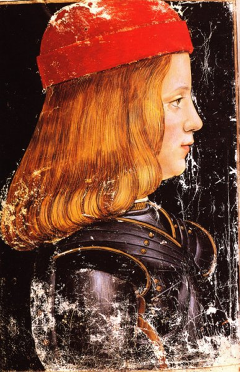
Massimiliano Sforza
Wikipedia

War of the League of Cambrai
Wikipedia

Battle of Novara (1513)
Wikipedia

Louis II de la Trémoille
Wikipedia

Milan
Wikipedia

Maximilian Sforza
Wikipedia

Eustorge II de Milan
Wikipedia
518
Wikipedia
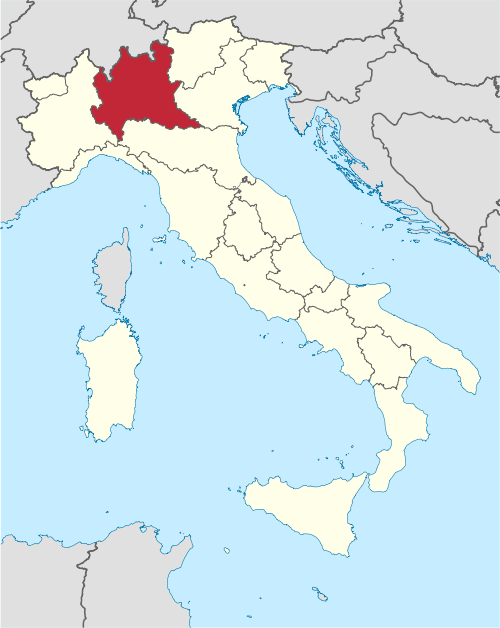
Lombard
Wikipedia

Old Swiss Confederacy
Wikipedia

Duchy of Milan
Wikipedia

Italian Wars
Wikipedia
What Else Happened on June 6
sacre de Charles II le Chauve qui était par le fait déjà roi des Francs / de "Francie occidentale" depuis le 11 août 843.
A dying emperor handed his empire to a seven-year-old. Alexander, Leo VI's brother, spent his brief reign undoing everything his predecessor built — then collap…
hommage vassalique d'Édouard III d'Angleterre à Philippe VI de France pour le fief de Guyenne.
A massive earthquake estimated between magnitude 8.2 and 8.8 struck the Lo Mustang region, leveling structures across Tibet and Nepal. The tremors devastated Ka…
Venetian forces crushed Maximilian I’s army in Friulia, forcing the Holy Roman Emperor to sign a humiliating three-year truce. This defeat halted Habsburg expan…
Gustav Vasa ascended the Swedish throne, dissolving the Kalmar Union that had bound Sweden, Denmark, and Norway under a single monarch for over a century. This …
Talk to History
Have a conversation with historical figures who witnessed this era. Ask questions, explore perspectives, and bring history to life.