

First AIDS Cases Reported by CDC: Five Men in Los Angeles
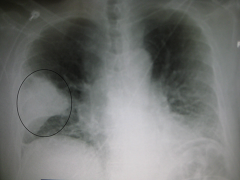
Five young men in Los Angeles died from a mysterious fungal pneumonia, prompting doctors to publish the first medical report identifying what would become known as AIDS. This June 5, 1981, notice launched the global pandemic and forced the world to confront a new epidemic that would reshape public health forever.
June 5, 1981
45 years ago
Key Figures & Places

What Else Happened on June 5
en China se registra un fenómeno astronómico («tres llamas comieron el Sol») que podría tratarse de un eclipse solar.
en Judea, el emperador Tito, acompañado de sus legiones romanas, superan la muralla defensiva central de Jerusalén.
Titus and his Roman legions shattered the middle wall of Jerusalem, trapping the city’s defenders within the inner sanctum of the Temple. This breach crippled t…
A band of Frisian pagans ambushed and killed the Anglo-Saxon missionary Boniface near Dokkum, ending his campaign to convert the region to Christianity. His mar…
en Italia, Carlomagno ―después de asediar y tomar la ciudad de Pavía y capturar al rey lombardo Desiderio― se hace coronar «rex francorum et langobardorum» (‘re…
She was chosen from a lineup. Theophilos's mother paraded eligible women through the palace like a beauty contest — the "bride show" — and Theodora won. But The…
Talk to History
Have a conversation with historical figures who witnessed this era. Ask questions, explore perspectives, and bring history to life.