

Uncle Tom's Cabin Serialized: The Novel That Started the Civil War
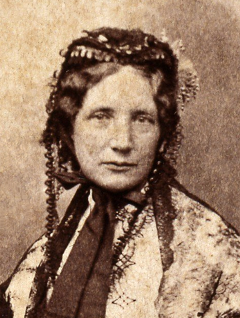
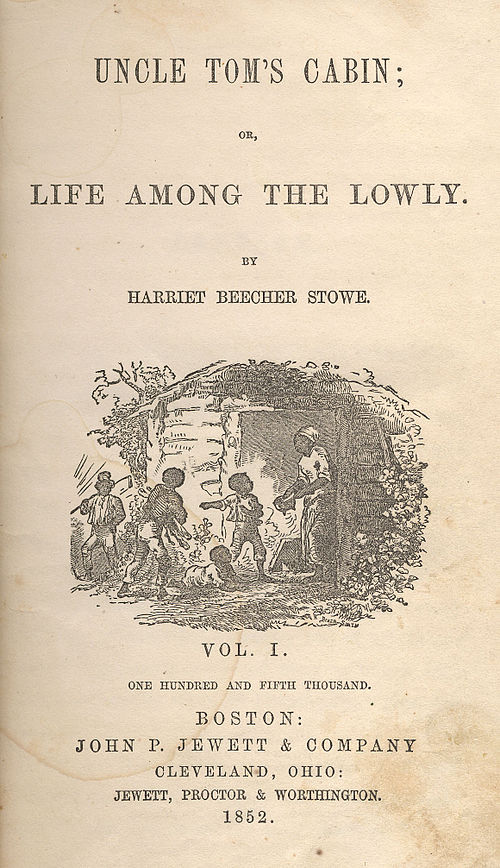
Harriet Beecher Stowe launches her anti-slavery serial *Uncle Tom's Cabin* in the *National Era*, igniting a ten-month run that galvanizes Northern public opinion against slavery. The serialized story transforms abstract moral arguments into visceral human narratives, directly fueling the abolitionist movement and deepening sectional tensions that would soon erupt into civil war.
June 5, 1851
175 years ago
Key Figures & Places


What Else Happened on June 5
en China se registra un fenómeno astronómico («tres llamas comieron el Sol») que podría tratarse de un eclipse solar.
en Judea, el emperador Tito, acompañado de sus legiones romanas, superan la muralla defensiva central de Jerusalén.
Titus and his Roman legions shattered the middle wall of Jerusalem, trapping the city’s defenders within the inner sanctum of the Temple. This breach crippled t…
A band of Frisian pagans ambushed and killed the Anglo-Saxon missionary Boniface near Dokkum, ending his campaign to convert the region to Christianity. His mar…
en Italia, Carlomagno ―después de asediar y tomar la ciudad de Pavía y capturar al rey lombardo Desiderio― se hace coronar «rex francorum et langobardorum» (‘re…
She was chosen from a lineup. Theophilos's mother paraded eligible women through the palace like a beauty contest — the "bride show" — and Theodora won. But The…
Talk to History
Have a conversation with historical figures who witnessed this era. Ask questions, explore perspectives, and bring history to life.