

Congress Approves 19th Amendment: Women's Vote Goes to the States
The U.S. Congress approved the 19th Amendment and sent it to the states for ratification, instantly transforming the electorate by legally guaranteeing voting rights to women. This legislative victory forced every state to expand its voter rolls, fundamentally altering political campaigns and policy priorities across the nation.
June 4, 1919
107 years ago
Key Figures & Places

Congress of the United States
Wikipedia
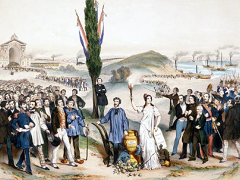
suffrage
Wikipedia

Women's rights
Wikipedia
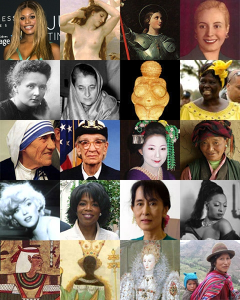
women
Wikipedia
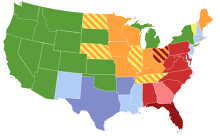
19th Amendment to the United States Constitution
Wikipedia

Women's rights
Wikipedia

United States Congress
Wikipedia
Nineteenth Amendment to the United States Constitution
Wikipedia

Women's suffrage in the United States
Wikipedia

U.S. state
Wikipedia

Louisiana
Wikipedia

Louisiana Territory
Wikipedia

Missouri Territory
Wikipedia
Women's suffrage
Wikipedia

History of the United States
Wikipedia
What Else Happened on June 4
Chinese astronomers already knew it was coming. They'd tracked the sun for generations, mapped its moods, built careers on predicting its behavior. But when the…
بدء المعركة الأولى للإسلام في عهد الرسول محمد مع العالم المسيحي ممثلًا في الإمبراطورية البيزنطية.
Wegen seiner Ablehnung der durch Heinrich II. teilweise gewaltsam eingeführten Klosterreform von Gorze wird Branthog von Erzbischof Erkanbald von Mainz als Abt …
En Alpuente, Hisham III es proclamado califa de Córdoba, no pudiendo entrar en la capital, en manos de sus opositores, hasta 1029. Con su exilio a la zona de Lé…
Henry III was 22 years old when he inherited an empire stretching from Denmark to southern Italy — and he actually made it work. His father Conrad II left him a…
en Alemania Enrique III el Negro es coronado rey.
Talk to History
Have a conversation with historical figures who witnessed this era. Ask questions, explore perspectives, and bring history to life.