

Tiananmen Square Crackdown Begins: Troops Move In
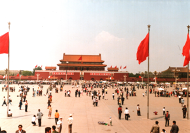
Chinese troops moved into position around Tiananmen Square to end seven weeks of pro-democracy protests that had drawn global attention and paralyzed the government. The military deployment preceded a violent crackdown that killed hundreds of civilians, triggering international condemnation and permanently reshaping China's relationship with political dissent.
June 3, 1989
37 years ago
Key Figures & Places


What Else Happened on June 3
Gladiators stormed the gates of Rome — and for 28 days, that was actually enough. Nepotianus, nephew of Constantine the Great, had no army, no treasury, no real…
Agapitus I. wird nach einer Sedisvakanz von 47 Tagen als Nachfolger von Papst Johannes II. inthronisiert.
صك أول نقود فضية في اليابان.
Philippicus never saw it coming — literally. The Opsikion soldiers who seized him in Thrace didn't just remove him from power; they gouged out his eyes, the Byz…

Crusader forces stormed Antioch after a grueling seven-month siege, securing a critical foothold that allowed them to push deeper into Syria despite facing star…
Antioch didn't fall to swords — it fell to a traitor. A Armenian tower guard named Firouz, bitter over a cheese dispute with his commander, secretly opened the …
Talk to History
Have a conversation with historical figures who witnessed this era. Ask questions, explore perspectives, and bring history to life.