

Glorious First of June: Britain and France Fight the Atlantic's First Naval Battle
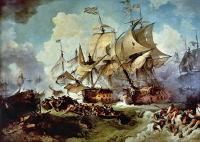
Lord Howe's British fleet intercepted a French convoy escort 400 miles into the Atlantic and captured or sank seven warships in the first major naval engagement of the French Radical Wars, a battle so celebrated that it was named for the date itself. The tactical victory elevated British morale, but the grain convoy France was protecting slipped through to Brest, averting the famine that had threatened radical Paris. Both sides claimed success: Britain won the battle, France saved its food supply.
June 1, 1794
232 years ago
Key Figures & Places


What Else Happened on June 1
Der römische Diktator Sulla beendet seinen Rachefeldzug und schließt die Todeslisten (Proskriptionen), denen 4700 Bürger, darunter mindestens 40 Senatoren, zum …
en Shandong (China) se registra un terremoto de magnitud 7 en la escala sismológica de Richter (I=9), desprendimiento de tierra (freshet). Deja un saldo de 6000…
Beim Erdbeben von Zhucheng und Changle in der chinesischen Provinz Shandong sterben der Quelle Han Shu zufolge etwa 6000 Menschen.
en el Imperio romano estalla la guerra civil.
Praetorian guards executed Didius Julianus in his palace just sixty-six days after he purchased the Roman throne at an auction. His violent end cleared the path…
المسلمون بقيادة أبو عبيدة بن الجراح يفتحون مدينة حمص بعد أن حاصروها حصارًا شديدًا فاضطرت المدينة إلى طلب الصلح فكتب المسلمون لأهلها كتابًا بالأمان على أنفسهم وأ…
Talk to History
Have a conversation with historical figures who witnessed this era. Ask questions, explore perspectives, and bring history to life.