

Jutland: History's Largest Naval Battle Proves Indecisive
Two hundred fifty-one warships met in the North Sea, and when the smoke cleared, both sides claimed victory while burying their dead. The Battle of Jutland, fought on May 31 to June 1, 1916, was the largest naval battle of World War I and the only full-scale clash between the British Grand Fleet and the German High Seas Fleet. The result was tactically ambiguous and strategically decisive. The German plan, devised by Admiral Reinhard Scheer, was to lure a portion of the British fleet into an engagement with the full High Seas Fleet. Vice Admiral Franz Hipper's battlecruiser squadron would draw out the British, and Scheer's battleships would destroy them in detail. British intelligence, reading German coded signals, learned of the sortie and sent the entire Grand Fleet under Admiral John Jellicoe to intercept. The battle unfolded in three phases. Hipper's battlecruisers engaged Admiral David Beatty's force in the "Run to the South," sinking HMS Indefatigable and HMS Queen Mary in massive magazine explosions. Beatty reportedly remarked, "There seems to be something wrong with our bloody ships today." The running fight turned north when Beatty sighted Scheer's main fleet, drawing the Germans toward Jellicoe. Jellicoe deployed the Grand Fleet across Scheer's path in the classic "crossing the T" formation. Scheer, realizing he was outgunned, executed a simultaneous 180-degree turn under smoke cover, a maneuver so risky it had never been attempted in combat. He did it twice. Britain lost 14 ships and 6,094 sailors. Germany lost 11 ships and 2,551 men. Germany claimed a tactical victory based on the exchange ratio. Britain claimed strategic victory because the High Seas Fleet returned to port and never seriously challenged the Grand Fleet again. The naval blockade that was starving Germany continued unbroken. Jellicoe, as Churchill later observed, was "the only man on either side who could lose the war in an afternoon." He did not lose it.
May 31, 1916
110 years ago
Key Figures & Places
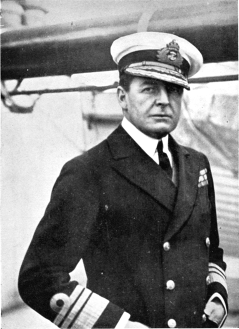
David Beatty, 1st Earl Beatty
Wikipedia
World War I
Wikipedia
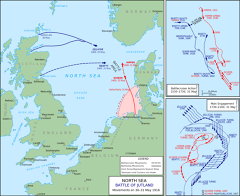
Battle of Jutland
Wikipedia
British Grand Fleet
Wikipedia
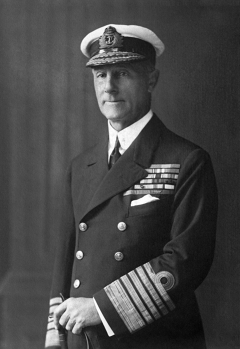
John Jellicoe, 1st Earl Jellicoe
Wikipedia
Sir David Beatty
Wikipedia
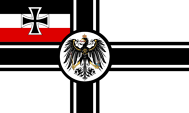
Kaiserliche Marine
Wikipedia
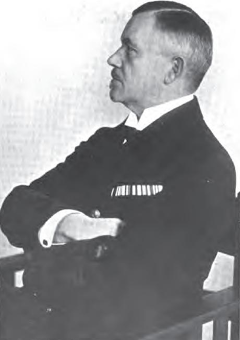
Reinhard Scheer
Wikipedia
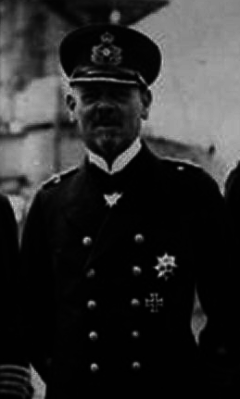
Franz von Hipper
Wikipedia
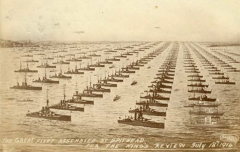
Grand Fleet
Wikipedia
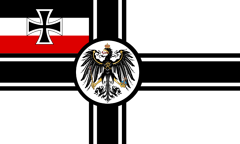
Imperial German Navy
Wikipedia
What Else Happened on May 31

A prince barely into his twenties inherited the most powerful throne on Earth and held it for 66 years. Ramesses II ascended as pharaoh of Egypt around 1279 BC …
An enraged Roman mob intercepted Emperor Petronius Maximus as he attempted to flee the city, stoning him to death in the streets. His brutal execution left the …
The ground shook for eighteen months straight afterward. That's what survivors remembered most about the 526 Antioch quake—not just the initial terror when buil…
The Mongols didn't just take Zhongdu—they waited. For a year. Genghis Khan's forces surrounded the Jin capital while its million inhabitants starved inside wall…
The Rus princes couldn't agree on a battle plan, so they didn't share one. At the Kalka River in 1223, Subutai's Mongol scouts pretended to retreat for nine day…
Mongol forces retreated from Java after Raden Wijaya tricked them into attacking his rivals, ending Kublai Khan’s attempt to subjugate the island. This tactical…
Talk to History
Have a conversation with historical figures who witnessed this era. Ask questions, explore perspectives, and bring history to life.