

US Copyright Law Signed: Protecting Writers Since 1790
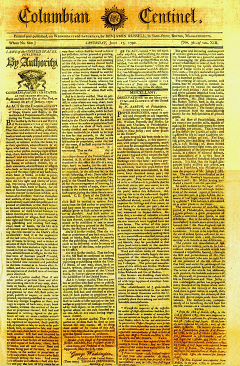
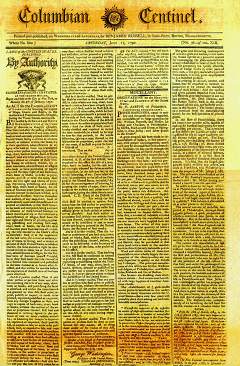
James Madison and Charles C. Pinckney pushed Congress to grant copyrights for limited times, embedding a utilitarian clause into the Constitution to promote science and the arts. This vision became law in 1790 when the first federal Copyright Act secured authors sole rights to print their maps, charts, and books for fourteen years. The statute directly encouraged learning by legally protecting creators' work, establishing a framework that still governs intellectual property today.
May 31, 1790
236 years ago
Key Figures & Places
What Else Happened on May 31

Ramesses II seized the throne in 1279 BC and immediately launched a massive building campaign that reshaped the Egyptian landscape from Abu Simbel to Karnak. Hi…
An enraged Roman mob intercepted Emperor Petronius Maximus as he attempted to flee the city, stoning him to death in the streets. His brutal execution left the …
The ground shook for eighteen months straight afterward. That's what survivors remembered most about the 526 Antioch quake—not just the initial terror when buil…
The Mongols didn't just take Zhongdu—they waited. For a year. Genghis Khan's forces surrounded the Jin capital while its million inhabitants starved inside wall…

The Rus princes couldn't agree on a battle plan, so they didn't share one. At the Kalka River in 1223, Subutai's Mongol scouts pretended to retreat for nine day…
Mongol forces retreated from Java after Raden Wijaya tricked them into attacking his rivals, ending Kublai Khan’s attempt to subjugate the island. This tactical…
Talk to History
Have a conversation with historical figures who witnessed this era. Ask questions, explore perspectives, and bring history to life.