

Constantinople Falls to the Ottomans: 1,100 Years of Roman Empire End
Ottoman armies under Sultan Mehmed II breach Constantinople's walls after a grueling 53-day siege, extinguishing the Byzantine Empire in one decisive blow. This conquest forces Greek scholars to flee westward with ancient texts, accelerating the Renaissance across Europe while simultaneously cutting off traditional trade routes and spurring the Age of Discovery.
May 29, 1453
573 years ago
Key Figures & Places
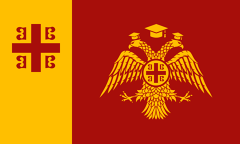
Constantinople
Wikipedia

Ottoman Empire
Wikipedia
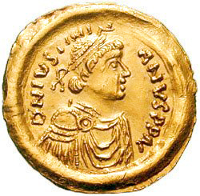
Byzantine Empire
Wikipedia
sultan
Wikipedia
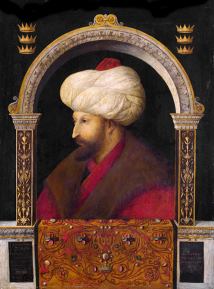
Mehmed II
Wikipedia
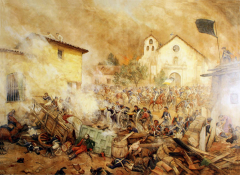
Siege
Wikipedia
Byzantine-Ottoman Wars
Wikipedia
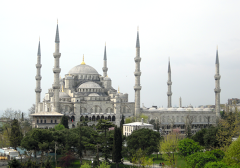
Fatih
Wikipedia
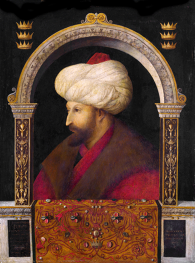
Mehmed the Conqueror
Wikipedia
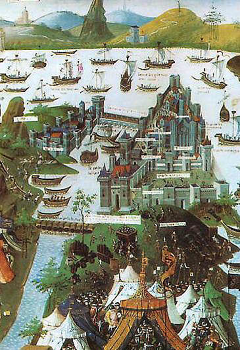
Fall of Constantinople
Wikipedia

Fall of Constantinople
Wikipedia

Ottoman Empire
Wikipedia

Sultan
Wikipedia

Mehmed II
Wikipedia

Constantinople
Wikipedia

Siege
Wikipedia

Roman Empire
Wikipedia

Battle of Gallipoli (1416)
Wikipedia

Republic of Venice
Wikipedia

Pietro Loredan
Wikipedia

Gallipoli
Wikipedia

Byzantine Empire
Wikipedia

Syria
Wikipedia
Terremoto de Antioquía de 526
Wikipedia

Mercalli intensity
Wikipedia

Hagia Sophia
Wikipedia

Salat (islam)
Wikipedia

Middle Ages
Wikipedia

Époque moderne
Wikipedia

Istanbul
Wikipedia

Europe
Wikipedia
What Else Happened on May 29

Emperor Julian's legions defeated the Sassanid army beneath the walls of Ctesiphon, the Persian capital, but found the city's massive fortifications impregnable…
en Roma, Pablo I sucede a Esteban II como papa.
Almoravid forces under Tamim ibn Yusuf annihilated a Castilian army at Ucles, killing Prince Sancho, the only legitimate heir of King Alfonso VI. The defeat sha…
Der Gegenpapst Viktor IV. verzichtet wenige Wochen nach seiner Wahl im Januar auf das Papstamt. Die Intervention Bernhards von Clairvaux hat diese Entscheidung …
Mit dem Kloster Balamand in der Grafschaft Tripolis errichten die Zisterzienser ihre erste Abtei außerhalb Europas.

Imperial forces under Christian of Buch and Rainald of Dassel destroyed a Roman army supporting Pope Alexander III at Monte Porzio, killing thousands of Romans …
Talk to History
Have a conversation with historical figures who witnessed this era. Ask questions, explore perspectives, and bring history to life.