

Golden Gate Bridge Opens: 200,000 Walk Across on Day One
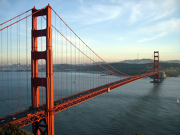
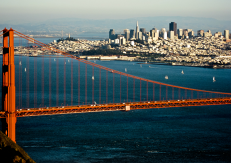
Crowds surged onto the Golden Gate Bridge on foot and roller skates before cars ever crossed, requiring officials to navigate ceremonial barriers including a blockade of beauty queens. President Roosevelt then triggered vehicle traffic from Washington, D.C., while the city descended into a minor riot in Polk Gulch as celebrations spiraled out of control. This chaotic week established the bridge as a cultural icon through the "Fiesta" and Strauss's enduring poem, transforming an engineering feat into a public spectacle.
May 27, 1937
89 years ago
Key Figures & Places
What Else Happened on May 27
Ein königlicher Diener hält auf einer Keilschrifttafel eine in der Region um Babylon beobachtete Sonnenfinsternis fest.
élection au pontificat du pape Marcel Ier.
Tsar Simeon the Great died of heart failure, leaving behind a Bulgarian Empire that stretched from the Adriatic to the Black Sea. His death triggered a rapid de…
The Bulgarian army didn't just lose—they evaporated. King Tomislav's Croatian forces caught them in the Bosnian highlands, and what should've been a pitched bat…
Simeon ruled Bulgaria for thirty-four years and died in bed—a rarity for medieval emperors who usually met swords or poison. He'd forced Byzantium to pay him tr…
The Jewish community of Mainz paid the bishop protection money to shelter them in his palace. Didn't matter. Count Emicho's crusaders broke through the walls on…
Talk to History
Have a conversation with historical figures who witnessed this era. Ask questions, explore perspectives, and bring history to life.