

Peter the Great Founds St. Petersburg: Russia Gets Its Window to Europe
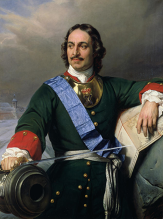
Tsar Peter the Great forces Russian engineers to drain a swampy delta and build a new capital on the Baltic coast, instantly shifting Russia's geopolitical focus from isolation to European engagement. This bold move secures a permanent "window to Europe," allowing the empire to dominate regional trade and project naval power for centuries.
May 27, 1703
323 years ago
Key Figures & Places


What Else Happened on May 27
Ein königlicher Diener hält auf einer Keilschrifttafel eine in der Region um Babylon beobachtete Sonnenfinsternis fest.
élection au pontificat du pape Marcel Ier.
Tsar Simeon the Great died of heart failure, leaving behind a Bulgarian Empire that stretched from the Adriatic to the Black Sea. His death triggered a rapid de…
The Bulgarian army didn't just lose—they evaporated. King Tomislav's Croatian forces caught them in the Bosnian highlands, and what should've been a pitched bat…
Simeon ruled Bulgaria for thirty-four years and died in bed—a rarity for medieval emperors who usually met swords or poison. He'd forced Byzantium to pay him tr…
The Jewish community of Mainz paid the bishop protection money to shelter them in his palace. Didn't matter. Count Emicho's crusaders broke through the walls on…
Talk to History
Have a conversation with historical figures who witnessed this era. Ask questions, explore perspectives, and bring history to life.