Dunkirk Evacuation: 330,000 Troops Saved From Certain Death
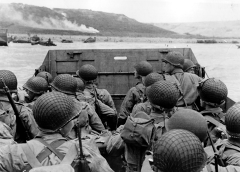
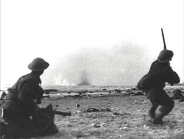
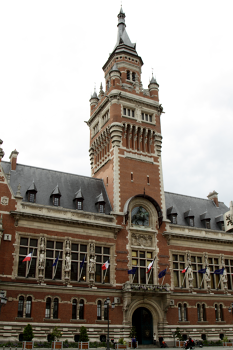
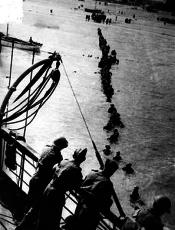
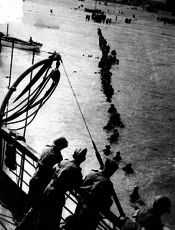
A flotilla of fishing boats, pleasure yachts, and river ferries sailed into a war zone and helped rescue an army. Operation Dynamo, the evacuation of Dunkirk, began on May 26, 1940, after the German blitzkrieg trapped the British Expeditionary Force and elements of the French army against the English Channel with their backs to the sea and their supply lines severed. The British war cabinet initially estimated that 45,000 men might be saved. Over nine days, 338,226 soldiers were pulled off the beaches and harbor of Dunkirk in one of the most remarkable maritime rescues in history. The Royal Navy provided destroyers and transport ships, but the shallow waters near the beaches required small craft, and hundreds of civilian vessels crossed the Channel to ferry soldiers from shore to the larger ships. German Luftwaffe bombers pounded the beaches daily. The harbor was partially destroyed, forcing many evacuations from the open shore, where soldiers stood in queues stretching into the surf, sometimes waiting hours under air attack. Discipline held despite the chaos. French rearguard units defended the perimeter and were among the last evacuated, with approximately 123,000 French troops making it to England. Hitler's decision to halt his panzer divisions on May 24 remains one of the most debated orders of the war. Luftwaffe commander Hermann Goering had promised his air force could destroy the pocket alone. The tanks stopped for nearly 48 hours, giving the British crucial time to organize the evacuation. Whether this was Hitler's strategic error or a sensible decision to preserve armor for the march on Paris is still argued by military historians. Dunkirk saved the professional core of the British Army, the soldiers who would fight in North Africa, Italy, and Normandy. Without those men, Britain's continued participation in the war would have been uncertain. Churchill called it a "miracle of deliverance," but he also warned Parliament: "Wars are not won by evacuations."
May 26, 1940
86 years ago
Key Figures & Places
What Else Happened on May 26
Cassius wanted to kill Caesar in Tarsus. Not on the Ides of March. Not in Rome. Here, in this dusty Cilician city where Caesar stopped to gather supplies before…
Germanicus paraded 50,000 captured Germans through Rome's streets, along with their chiefs in chains—tribes who'd annihilated three Roman legions just a decade …
The Armenians lost every tactical objective at Avarayr—outnumbered, outflanked, their commander Vardan Mamikonian dead on the field. But here's what's strange: …
Michael III crowned the man who would murder him. In 866, the Byzantine emperor elevated Basil—a peasant wrestler from Macedonia who'd charmed his way into the …
King Edmund I wasn't killed in battle or poisoned by rivals. He died breaking up a brawl at a feast in Pucklechurch. The king recognized an outlaw named Leofa a…
King Edmund I lunged at an outlaw during a feast at Pucklechurch, only to be stabbed to death by the man he sought to eject. His sudden demise triggered a succe…
Talk to History
Have a conversation with historical figures who witnessed this era. Ask questions, explore perspectives, and bring history to life.