Constitution Forged: 1787 Convention Creates New Government
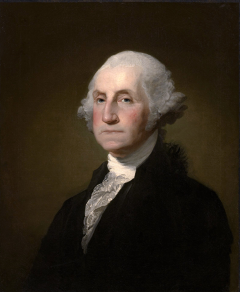
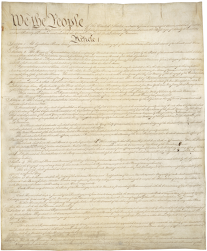
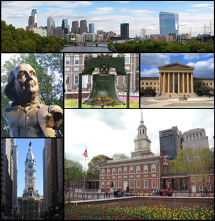
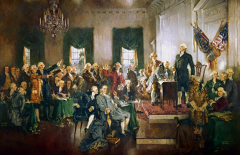
Fifty-five men gathered in Philadelphia to fix the Articles of Confederation and ended up inventing a new form of government. The Constitutional Convention opened on May 25, 1787, at the Pennsylvania State House, and over the next four months, the delegates produced the document that would become the longest-surviving written national constitution in history. The Articles of Confederation, ratified in 1781, had created a central government so weak it could not levy taxes, regulate commerce, or enforce its own laws. Shays' Rebellion in Massachusetts in 1786, an armed uprising by indebted farmers, had exposed the government's inability to maintain order. Twelve of the thirteen states sent delegates to Philadelphia. Rhode Island refused. The Virginia delegation arrived first and came with a plan. James Madison's Virginia Plan proposed scrapping the Articles entirely and creating a bicameral legislature with representation proportional to population. Smaller states resisted, countering with the New Jersey Plan, which preserved equal state representation. The impasse threatened to dissolve the convention until Roger Sherman of Connecticut brokered the Great Compromise: proportional representation in the House, equal representation in the Senate. The delegates argued through a sweltering summer behind closed doors, with sentries posted and windows nailed shut to prevent leaks. They debated executive power, slavery (producing the notorious three-fifths clause), judicial review, and the balance between federal and state authority. George Washington presided, lending his enormous prestige to a process that might otherwise have collapsed. The finished Constitution was signed on September 17, 1787, and sent to the states for ratification. Only 39 of the original 55 delegates signed. Benjamin Franklin, at 81 the oldest delegate, observed that the sun painted on Washington's chair was rising, not setting. The document those men produced has been amended 27 times and survived a civil war, two world wars, and 239 years of continuous governance.
May 25, 1787
239 years ago
Key Figures & Places

What Else Happened on May 25
Servius Tullius paraded through Rome to celebrate his decisive military victory over the Etruscans, cementing his authority as the city's sixth king. By formali…
The Chinese saw a broom star sweeping across the sky for two months, bright enough to read by at midnight. They called it a "guest star" and recorded its precis…
Alfonso VI of Castile captured Toledo from the Taifa kingdom, shifting the balance of power in the Iberian Peninsula. This conquest transformed the city into a …
King John I of Portugal appointed his son, Prince Henry, governor of the Order of Christ, granting him control over the vast wealth of the former Knights Templa…
Luther didn't show up to defend himself. He'd already left Worms ten days before Charles V signed the edict making him an outlaw of the empire. Frederick the Wi…
Wu Sangui had a choice: let the peasant rebel who'd just captured Beijing—and possibly killed his concubine—become emperor, or open Shanhaiguan's gates to the M…
Talk to History
Have a conversation with historical figures who witnessed this era. Ask questions, explore perspectives, and bring history to life.