

Ethiopia Joins League of Nations: Sovereignty Recognized
Night baseball started under a canopy of doubt and 632 light bulbs. On May 24, 1935, President Franklin Roosevelt pressed a telegraph key in the White House and the floodlights at Crosley Field in Cincinnati blazed to life, illuminating the first night game in major league history. The Reds beat the Philadelphia Phillies 2-1 before 20,422 fans who had come as much for the spectacle as the score. General Electric had installed eight towers around the ballpark, each carrying clusters of 1,000-watt lamps aimed at the diamond. Nobody was entirely sure the light would be sufficient. Baseball purists and several team owners had actively opposed the idea, arguing that the game was meant to be played in daylight and that artificial light would degrade the quality of play. Reds president Larry MacPhail had pushed the experiment out of financial necessity. The team was drawing poorly, and Cincinnati's working-class fan base could not attend weekday afternoon games. MacPhail reasoned that moving games to the evening would multiply the available audience, and he was right. The seven night games the Reds played in 1935 drew more fans than the rest of the home schedule combined. Other teams were slow to follow. The Chicago Cubs would not install lights until 1988, the last holdout in the majors. But the economic logic was irresistible. Night games meant larger crowds, which meant more revenue, which meant television contracts that eventually transformed baseball from a gate-revenue business into a broadcast empire. Roosevelt's telegraph key at the White House was a theatrical touch, but the real innovation was commercial. MacPhail had understood that professional sports are entertainment businesses, and entertainment happens when the audience is available.
May 24, 1935
91 years ago
Key Figures & Places

Major League Baseball
Wikipedia

Cincinnati Reds
Wikipedia

Cincinnati, Ohio
Wikipedia
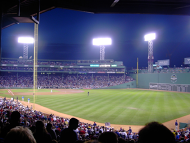
night game
Wikipedia
Philadelphia Phillies
Wikipedia
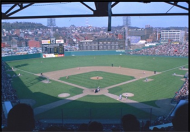
Crosley Field
Wikipedia
Night game
Wikipedia

Major League Baseball
Wikipedia

Cincinnati
Wikipedia

Cincinnati Reds
Wikipedia

Philadelphia Phillies
Wikipedia
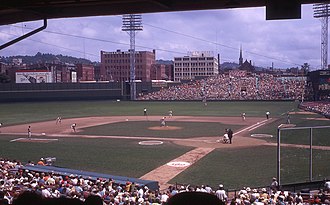
Crosley Field
Wikipedia
What Else Happened on May 24
They caught him hunting when the messengers arrived. Henry the Fowler was setting bird traps in the Harz Mountains—literally fowling—when Saxon nobles found him…
The Fifth Crusade departed Acre for the Nile Delta, aiming to conquer Egypt and trade its territory for Jerusalem. This strategic gamble forced the Ayyubid Sult…
Magnus Ladulås received the Swedish crown at Uppsala Cathedral, solidifying his grip on power after a bitter civil war against his brothers. By formalizing his …
They dressed a ten-year-old baker's son in royal robes and called him Edward VI. Lambert Simnel had probably never held a sword before May 24, 1487, when Irish …
Lambert Simnel received a crown in Dublin as the Yorkist pretender King Edward VI, challenging the newly established Tudor dynasty. This audacious coronation fo…
The king brought the daggers himself. Erik XIV of Sweden, twenty-four years old and spiraling into paranoid delusion, personally stabbed nobleman Nils Sture in …
Talk to History
Have a conversation with historical figures who witnessed this era. Ask questions, explore perspectives, and bring history to life.