

Wars of the Roses Begin at St Albans: York vs Lancaster
Richard, Duke of York, defeats and captures King Henry VI at the First Battle of St Albans, igniting a thirty-year civil war that shatters the Lancastrian hold on the English throne. This violent rupture forces the nobility to choose sides, transforming political disputes into open warfare that reshapes the country's power structure for generations.
May 22, 1455
571 years ago
Key Figures & Places
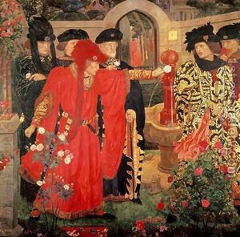
Wars of the Roses
Wikipedia
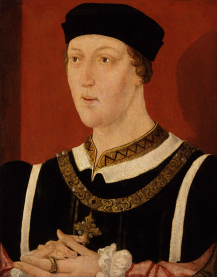
Henry VI of England
Wikipedia

First Battle of St Albans
Wikipedia
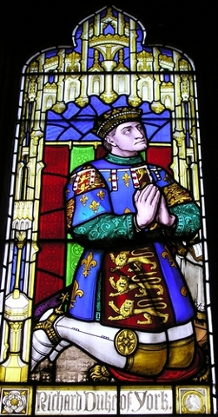
Richard Plantagenet, 3rd Duke of York
Wikipedia
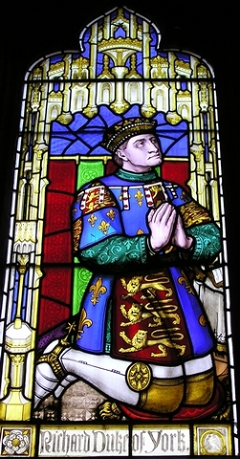
Richard, Duke of York
Wikipedia

Wars of the Roses
Wikipedia

First Battle of St Albans
Wikipedia

Richard of York, 3rd Duke of York
Wikipedia

Henry VI of England
Wikipedia

House of York
Wikipedia

House of Lancaster
Wikipedia

Richard Neville, 16th Earl of Warwick
Wikipedia

Edmund Beaufort, 2nd Duke of Somerset
Wikipedia

1406
Wikipedia

St Albans
Wikipedia

England
Wikipedia
What Else Happened on May 22

Alexander watched twenty-five of his Companion Cavalry drown in the Granicus River before the real fighting even started. The Persians held the high bank—textbo…
en China se registra una lluvia de meteoritos: «Cayeron meteoritos, algunos grandes como palanganas y otros como huevos de gallina. Recién cesaron al atardecer»…
Lü Bu rode his legendary horse Red Hare straight into the throne room with a spear. His adopted father Dong Zhuo had grown so fat from two years of tyrannical r…
The comet came back exactly when Edmund Halley said it would—seventy-six years after his death. He'd spent decades calculating orbits, staking his reputation on…
Byzantine forces launched a surprise amphibious assault on Damietta, burning the Egyptian port to the ground and seizing vast stockpiles of weaponry intended fo…
Benedikt V. folgt als von den Römern gewählter Papst auf den verstorbenen Johannes XII. Kaiser Otto I. betreibt seine Absetzung. Rund einen Monat später wird de…
Talk to History
Have a conversation with historical figures who witnessed this era. Ask questions, explore perspectives, and bring history to life.