

Lindbergh Soars Solo: The First Transatlantic Flight
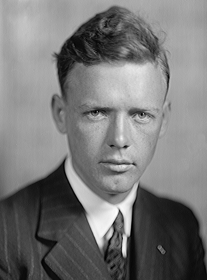
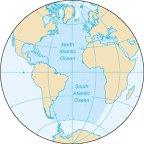
A 25-year-old airmail pilot climbed into a single-engine monoplane loaded with 451 gallons of fuel and pointed it toward Paris. Charles Lindbergh had no radio, no parachute, and no copilot. The Spirit of St. Louis lifted off from Roosevelt Field on Long Island at 7:52 AM on May 20, 1927, and for the next 33.5 hours, Lindbergh fought fog, ice, and crushing fatigue over the open Atlantic. Navigation meant dead reckoning with a magnetic compass and occasional glimpses of the ocean surface. Lindbergh flew so low at times that spray hit the windshield. He had packed five sandwiches and a canteen of water but barely ate, too focused on staying awake after already being up for 24 hours before departure. When the Ryan NYP monoplane touched down at Le Bourget airfield outside Paris at 10:22 PM on May 21, an estimated 150,000 people surged onto the field. French police lost control of the crowd, and souvenir hunters nearly tore the aircraft apart. Lindbergh had covered 3,610 miles in 33 hours and 30 minutes, completing the first solo nonstop transatlantic flight. The achievement transformed aviation overnight. Lindbergh became the most famous person on the planet, received the Medal of Honor and the first Distinguished Flying Cross, and triggered an investment boom in commercial aviation. Applications for pilot licenses tripled within a year. Airlines that had struggled to attract passengers suddenly found willing customers. One flight across the Atlantic convinced millions that the air age had arrived.
May 21, 1927
99 years ago
Key Figures & Places

What Else Happened on May 21
Four rulers to control one empire—that was Diocletian's solution in 293, when running Rome from a single throne had become impossible. He kept the East, gave Ma…
The Aghlabid forces seized Syracuse after a brutal nine-month siege, ending Byzantine control over Sicily. This conquest consolidated Muslim rule across the isl…
The letter arrived in Latin, addressed to "Branimir, Duke of the Croats." Pope John VIII didn't just send blessings—he bypassed the Frankish bishops who'd claim…
The youngest person ever crowned Holy Roman Emperor couldn't legally sign his own documents. Otto III needed his grandmother Theophanu to countersign everything…
The spot where Denmark met Sweden needed a fortress, not a town. But Danish King Canute IV wanted both—a fortified settlement to control the narrowest crossing …
Stefan Dušan enacted his comprehensive legal code, unifying the diverse customs of the Serbian Empire into a single, cohesive framework. By standardizing judici…
Talk to History
Have a conversation with historical figures who witnessed this era. Ask questions, explore perspectives, and bring history to life.