

Battle of Aspern-Essling: Napoleon's First Major Defeat
Archduke Charles of Austria held the line against Napoleon's forces attempting to cross the Danube at Aspern-Essling, inflicting the first major battlefield defeat on the French emperor. The Austrians killed or wounded over 20,000 French soldiers and forced a retreat across the river, proving that Napoleon's army could be stopped and boosting anti-French morale across Europe.
May 21, 1809
217 years ago
Key Figures & Places
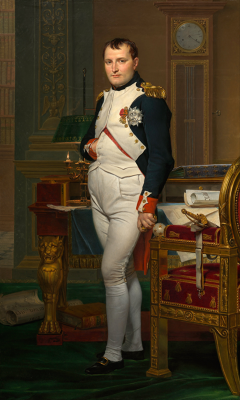
Napoleon
Wikipedia

French Army
Wikipedia
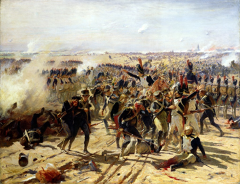
Battle of Aspern-Essling
Wikipedia
Austrian
Wikipedia
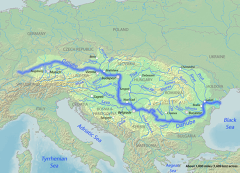
Danube
Wikipedia
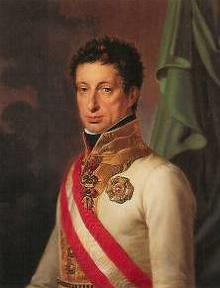
Archduke Charles, Duke of Teschen
Wikipedia

Battle of Aspern–Essling
Wikipedia

Archduke Charles, Duke of Teschen
Wikipedia

Napoleon
Wikipedia

Danube
Wikipedia

Siege of Acre (1799)
Wikipedia

Ottoman Empire
Wikipedia

Acre, Israel
Wikipedia
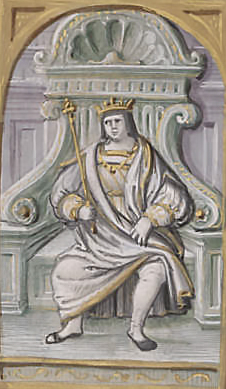
Henry III of Castile
Wikipedia

Ruy González de Clavijo
Wikipedia

Timurid relations with Europe
Wikipedia

Battle of Bautzen (1813)
Wikipedia

Tártaros
Wikipedia
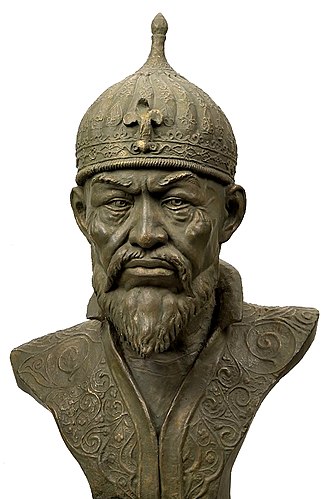
Timur
Wikipedia

Ottoman dynasty
Wikipedia
Grande Armée
Wikipedia

Russia
Wikipedia

Prussia
Wikipedia

Peter Wittgenstein
Wikipedia
1584
Wikipedia

Vologda
Wikipedia

Campagne d'Allemagne (1813)
Wikipedia

War of the Sixth Coalition
Wikipedia

History of France
Wikipedia

Gebhard Leberecht von Blücher
Wikipedia

War of the Fifth Coalition
Wikipedia

French invasion of Egypt and Syria
Wikipedia

Assignat
Wikipedia
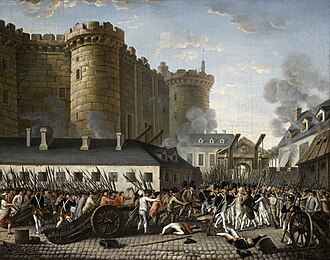
French Revolution
Wikipedia

Timurid
Wikipedia

Kingdom of Castile
Wikipedia

Russo-Circassian War
Wikipedia

أديغة
Wikipedia

الإبادة الجماعية للشركس
Wikipedia
What Else Happened on May 21
Criação do Shaka Samvat, o calendário nacional indiano.
Four rulers to control one empire—that was Diocletian's solution in 293, when running Rome from a single throne had become impossible. He kept the East, gave Ma…
The Aghlabid forces seized Syracuse after a brutal nine-month siege, ending Byzantine control over Sicily. This conquest consolidated Muslim rule across the isl…

The letter arrived in Latin, addressed to "Branimir, Duke of the Croats." Pope John VIII didn't just send blessings—he bypassed the Frankish bishops who'd claim…
كي نو تسورايوكي وفريقه ينتهون من تدوين كوكين واكاشو.
The youngest person ever crowned Holy Roman Emperor couldn't legally sign his own documents. Otto III needed his grandmother Theophanu to countersign everything…
Talk to History
Have a conversation with historical figures who witnessed this era. Ask questions, explore perspectives, and bring history to life.