

HIV Virus Discovery Published in Science: Montagnier Identifies the Cause of AIDS
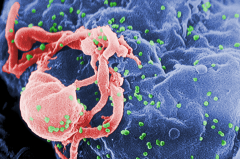
Two rival research teams simultaneously identified a novel retrovirus in AIDS patients, sparking an immediate scientific race that would eventually unite their findings under the name HIV. This convergence of evidence transformed a mysterious cluster of immune failures into a defined viral target, allowing global health officials to pivot from monitoring symptoms to developing specific diagnostic tools and treatments.
May 20, 1983
43 years ago
Key Figures & Places




What Else Happened on May 20

Constantine thought inviting 1,800 bishops would unify Christianity. Only 318 showed up to Nicaea, many bearing scars from recent Roman persecutions—missing eye…
A widow chose an emperor. When Zeno died of dysentery in 491, his wife Ariadne held something no Byzantine woman had possessed before: the right to pick the nex…
en la región de Siria (parte del Imperio romano de oriente) sucede un terremoto de XI grados en la escala modificada de Mercalli (que mide daños). Deja un saldo…
Einem Erdbeben in Antiochia und Syrien fallen laut Angaben des Historikers Johannes Malalas bis zu 250.000 Menschen zum Opfer.
زلزال في الشام يودي بحياة ثلاثمائة ألف شخص.
A massive earthquake leveled the Byzantine city of Antioch, claiming roughly 250,000 lives and shattering the region’s infrastructure. This catastrophe crippled…
Talk to History
Have a conversation with historical figures who witnessed this era. Ask questions, explore perspectives, and bring history to life.