

Lindbergh Soars from New York: Transatlantic Race Begins
Charles Lindbergh climbed into the cockpit of the Spirit of St. Louis at Roosevelt Field, Long Island, on the morning of May 20, 1927, and pointed the nose of his single-engine monoplane toward Paris. The runway was muddy, the plane was overloaded with 450 gallons of fuel, and the telephone wires at the field's edge cleared his landing gear by twenty feet. Lindbergh, a twenty-five-year-old airmail pilot from Minnesota, was attempting what six men had already died trying: a nonstop solo flight across the Atlantic Ocean. The Orteig Prize, $25,000 offered by New York hotelier Raymond Orteig, had attracted some of aviation's biggest names. French ace Rene Fonck had crashed on takeoff in September 1926, killing two crew members. Richard Byrd's heavily funded tri-motor had cracked up during a test flight. Clarence Chamberlin was grounded by a legal dispute with his aircraft's owner. Lindbergh, flying without a copilot, navigator, or radio, seemed the least likely to succeed. The flight lasted 33 hours and 30 minutes. Lindbergh fought exhaustion, ice buildup on the wings, and fog that forced him to fly just above the wave tops. He navigated by dead reckoning and occasional celestial observations, unable to see forward through the windshieldless cockpit except by leaning out the side window or using a periscope. When he spotted fishing boats off the Irish coast, he knew he was on course. He landed at Le Bourget Aerodrome outside Paris at 10:22 PM on May 21 to a crowd of 150,000 that nearly tore the plane apart in their frenzy. The flight made Lindbergh the most famous person on the planet overnight. Ticker-tape parades, congressional medals, and global celebrity followed. More importantly, the flight demonstrated that long-distance aviation was practical, triggering a boom in aircraft investment, airline formation, and airport construction. Passenger air travel, which had been regarded as a daredevil novelty, suddenly seemed like the future of transportation. Lindbergh's thirty-three hours over the Atlantic accelerated the aviation industry by a decade.
May 20, 1927
99 years ago
Key Figures & Places

United Kingdom
Wikipedia
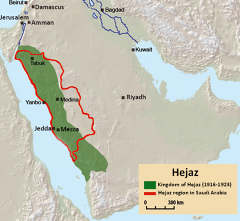
Hejaz
Wikipedia

Saudi Arabia
Wikipedia
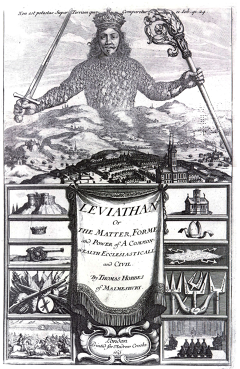
sovereignty
Wikipedia

Ibn Saud
Wikipedia
Treaty of Jedda
Wikipedia
List of kings of Saudi Arabia
Wikipedia

Najd
Wikipedia

Treaty of Jeddah (1927)
Wikipedia

Treaty of Jeddah (1927)
Wikipedia

Sovereignty
Wikipedia

Ibn Saud
Wikipedia

Hejaz
Wikipedia

Najd
Wikipedia

Saudi Arabia
Wikipedia

British
Wikipedia
Abkommen von Dschidda
Wikipedia
Anexo:Colonias y protectorados británicos
Wikipedia
Histoire de l'Arabie saoudite
Wikipedia

Reino do Négede e do Hejaz
Wikipedia

محمد المفرح (ممثل)
Wikipedia
What Else Happened on May 20
Constantine thought inviting 1,800 bishops would unify Christianity. Only 318 showed up to Nicaea, many bearing scars from recent Roman persecutions—missing eye…
A widow chose an emperor. When Zeno died of dysentery in 491, his wife Ariadne held something no Byzantine woman had possessed before: the right to pick the nex…
A massive earthquake leveled the Byzantine city of Antioch, claiming roughly 250,000 lives and shattering the region’s infrastructure. This catastrophe crippled…
King Ecgfrith brought the finest cavalry in Britain into a narrow valley near a Scottish loch. He'd conquered half of northern England by doing exactly this—ove…
He came to marry a princess and left without his head. Æthelberht II of East Anglia arrived at Sutton Walls expecting a wedding to Ælfthryth of Mercia. Instead,…
A seventy-year-old knight saved England by turning a medieval siege into a cavalry charge. William Marshal—already past any reasonable fighting age—led a relief…
Talk to History
Have a conversation with historical figures who witnessed this era. Ask questions, explore perspectives, and bring history to life.