Blue Jeans Patented: Levi Strauss Revolutionizes Fashion
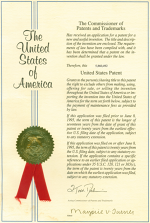
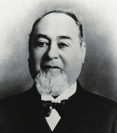
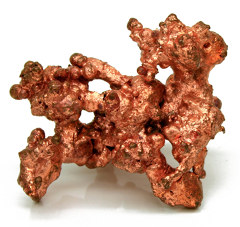
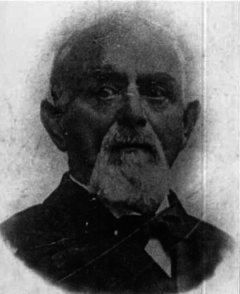
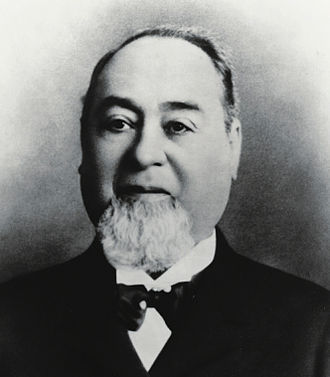
Jacob Davis, a Latvian-born tailor working in Reno, Nevada, came up with the idea of using copper rivets to reinforce the stress points on work pants after a customer's wife complained that her husband kept tearing through his trousers. Davis placed rivets at the pocket corners and the base of the fly, creating pants durable enough for miners, laborers, and ranchers. On May 20, 1873, Davis and his fabric supplier, San Francisco wholesaler Levi Strauss, received US Patent No. 139,121 for the process of riveting clothing. Davis had been buying his denim and duck cloth from Levi Strauss & Co. for years. When he realized the riveted pants were selling as fast as he could make them, he wanted to patent the idea but lacked the $68 filing fee. He wrote to Strauss proposing a partnership: Davis would contribute the invention, Strauss would fund the patent and handle manufacturing at scale. Strauss recognized the opportunity immediately and agreed. The original riveted pants were made from two fabrics: brown cotton duck and blue denim. The denim version, dyed with indigo, proved more popular with workers and eventually became the standard. The pants were sold as "waist overalls" and marketed to laborers in the American West. They were tough, affordable, and designed for physical work. The copper rivets, the key innovation, prevented seams from tearing under the strain of loading ore, bending fence wire, or climbing scaffolding. Blue jeans remained workwear for roughly eighty years. Hollywood westerns in the 1930s and 1940s began associating denim with rugged American individualism. Marlon Brando and James Dean made jeans symbols of youthful rebellion in the 1950s. By the 1960s, jeans had crossed every social boundary, worn by factory workers, college students, rock musicians, and eventually fashion designers who charged hundreds of dollars for artificially distressed versions of a garment originally built to resist destruction. The riveted pocket patent expired in 1891, but the brand Davis and Strauss created remains one of the most recognized in the world.
May 20, 1873
153 years ago
Key Figures & Places

What Else Happened on May 20
Constantine thought inviting 1,800 bishops would unify Christianity. Only 318 showed up to Nicaea, many bearing scars from recent Roman persecutions—missing eye…
A widow chose an emperor. When Zeno died of dysentery in 491, his wife Ariadne held something no Byzantine woman had possessed before: the right to pick the nex…
A massive earthquake leveled the Byzantine city of Antioch, claiming roughly 250,000 lives and shattering the region’s infrastructure. This catastrophe crippled…
King Ecgfrith brought the finest cavalry in Britain into a narrow valley near a Scottish loch. He'd conquered half of northern England by doing exactly this—ove…
He came to marry a princess and left without his head. Æthelberht II of East Anglia arrived at Sutton Walls expecting a wedding to Ælfthryth of Mercia. Instead,…
A seventy-year-old knight saved England by turning a medieval siege into a cavalry charge. William Marshal—already past any reasonable fighting age—led a relief…
Talk to History
Have a conversation with historical figures who witnessed this era. Ask questions, explore perspectives, and bring history to life.