Vasco da Gama Reaches India: Global Trade Opens
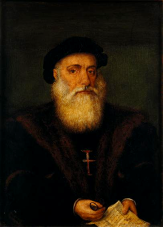
Vasco da Gama anchored off the coast of Calicut on May 20, 1498, completing a ten-month voyage from Lisbon that connected Europe to Asia by sea for the first time. The Portuguese navigator had rounded the Cape of Good Hope, crossed the Indian Ocean with the help of an Arab pilot, and arrived at one of the world's richest trading ports. The merchants of Calicut, accustomed to dealing with sophisticated Arab, Chinese, and Southeast Asian traders, were unimpressed by the goods da Gama had brought. The Portuguese had offered cloth, coral, sugar, and honey, trade goods appropriate for West African commerce but laughably inadequate for the Indian market. The Zamorin of Calicut, the city's ruler, reportedly laughed when shown the Portuguese merchandise. Arab merchants who dominated Indian Ocean trade recognized the Portuguese as competitors and worked to undermine their negotiations. Da Gama managed to acquire small quantities of pepper, cinnamon, and precious stones, but the commercial results of the first voyage were modest. What da Gama accomplished was not commercial but strategic. He had proven that a sea route to India existed and that Portuguese ships could navigate it. This knowledge was worth more than any cargo hold of spices. The overland spice trade, controlled by Arab middlemen and Venetian merchants, generated enormous profits at every transfer point. Direct sea access to Indian markets promised to eliminate every intermediary and funnel the profits to Lisbon. Portugal moved quickly to exploit the route. Pedro Alvares Cabral led a follow-up fleet in 1500, and within a decade, Portuguese warships were establishing fortified trading posts across the Indian Ocean. Goa, Malacca, and Hormuz fell under Portuguese control. The Venetian spice monopoly collapsed. The global economy was fundamentally restructured, as European naval power projected itself into waters that had been dominated by Asian and Arab traders for centuries. Da Gama's voyage did not just discover a route; it inaugurated five centuries of European commercial and military dominance in Asia.
May 20, 1498
528 years ago
Key Figures & Places
What Else Happened on May 20
Constantine thought inviting 1,800 bishops would unify Christianity. Only 318 showed up to Nicaea, many bearing scars from recent Roman persecutions—missing eye…
A widow chose an emperor. When Zeno died of dysentery in 491, his wife Ariadne held something no Byzantine woman had possessed before: the right to pick the nex…
A massive earthquake leveled the Byzantine city of Antioch, claiming roughly 250,000 lives and shattering the region’s infrastructure. This catastrophe crippled…
King Ecgfrith brought the finest cavalry in Britain into a narrow valley near a Scottish loch. He'd conquered half of northern England by doing exactly this—ove…
He came to marry a princess and left without his head. Æthelberht II of East Anglia arrived at Sutton Walls expecting a wedding to Ælfthryth of Mercia. Instead,…
A seventy-year-old knight saved England by turning a medieval siege into a cavalry charge. William Marshal—already past any reasonable fighting age—led a relief…
Talk to History
Have a conversation with historical figures who witnessed this era. Ask questions, explore perspectives, and bring history to life.