

Plessy v. Ferguson: Supreme Court Rules Separate but Equal Is Legal
The U.S. Supreme Court validates the "separate but equal" doctrine, instantly legalizing state-sponsored racial segregation across the South. This ruling dismantles any federal barrier to Jim Crow laws for over half a century, entrenching a system of institutionalized inequality that defines American life until the mid-20th century.
May 18, 1896
130 years ago
Key Figures & Places
United States Supreme Court
Wikipedia

Plessy v. Ferguson
Wikipedia
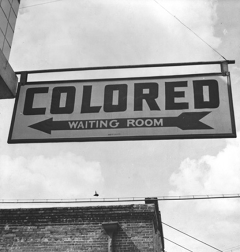
separate but equal
Wikipedia

Supreme Court of the United States
Wikipedia
Plessy v. Ferguson
Wikipedia
Separate but equal
Wikipedia

Melville Fuller
Wikipedia

Racial segregation
Wikipedia
Southern United States
Wikipedia

History of the United States
Wikipedia
What Else Happened on May 18
Der Komet C/-43 K1 (Komet Caesar) wird in China entdeckt. Im Juli desselben Jahres ist er in Rom sichtbar und wird vom Volk als die vergöttlichte Erscheinung de…
The dole came with an address requirement—you had to live in Constantinople to eat. Constantine's free grain distributions started in 332, and suddenly everyone…
أخذ البيعة لعبد الرحمن بن معاوية بن هشام بن عبد الملك مؤسس الخلافة الأموية في الأندلس.
Louis II waited twenty-eight years between his first and second coronations as Holy Roman Emperor. First crowned at age nineteen while his father Lothair still …
Bischof Thietmar von Merseburg legt den Grundstein für den Bau einer repräsentativen Kathedrale im Bistum Merseburg an Stelle der bisherigen Johanneskirche, den…
Der zum Erzbischof von Trier ernannte Kuno I. von Pfullingen wird mit seiner Begleitung am Morgen im Nachtlager überfallen, nach Ürzig verschleppt und eingekerk…
Talk to History
Have a conversation with historical figures who witnessed this era. Ask questions, explore perspectives, and bring history to life.