Cold War Summit Collapses: Khrushchev Demands U-2 Apology
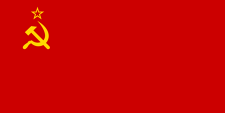
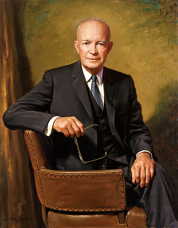
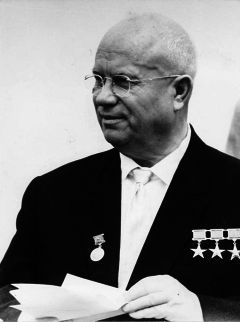
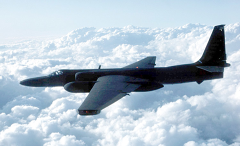
Soviet Premier Nikita Khrushchev stood before the assembled leaders of the Cold War's major powers in Paris on May 16, 1960, and demanded that President Eisenhower apologize for American spy flights over Soviet territory. Eisenhower refused. The Paris Summit, which had been expected to produce progress on nuclear arms control and the status of Berlin, collapsed before it began. The U-2 incident had blown the fragile detente of the late 1950s apart. Two weeks earlier, on May 1, Soviet air defenses had shot down an American U-2 reconnaissance aircraft piloted by Francis Gary Powers near Sverdlovsk. The Eisenhower administration initially claimed the plane was a weather research aircraft that had strayed off course. Khrushchev then revealed that Powers had survived, that the Soviets had recovered the aircraft and its cameras, and that the pilot had confessed to espionage. The cover story disintegrated, humiliating the American government. Eisenhower made the unprecedented decision to publicly acknowledge the spy flights and take personal responsibility, reasoning that denying knowledge would have implied his government was operating without presidential control. The admission gave Khrushchev the ammunition he needed. Whether he intended to torpedo the summit all along or was forced by domestic pressure from Soviet hardliners remains debated. His performance in Paris was theatrical, pounding the table and demanding an apology he knew Eisenhower could not give. The summit's collapse ended the most promising period of Cold War diplomacy since Stalin's death. Plans for Eisenhower to visit Moscow were canceled. Arms control negotiations stalled. The relationship between the superpowers deteriorated through the Berlin Wall crisis of 1961 and the Cuban Missile Crisis of 1962. Powers was convicted of espionage in Moscow and sentenced to ten years, but was exchanged for Soviet spy Rudolf Abel in 1962 on Berlin's Glienicke Bridge.
May 16, 1960
66 years ago
Key Figures & Places
What Else Happened on May 16
A grandmother in exile just handed her teenage grandson the Roman Empire. Julia Maesa didn't accept banishment quietly—the new emperor Macrinus thought sending …
Suzaku was twenty-nine and already done. The youngest emperor to abdicate in two centuries, he'd spent thirteen years watching his own health crumble while cour…
Baldwin IX of Flanders ascended the throne in Constantinople, establishing the Latin Empire after the Fourth Crusade dismantled the Byzantine capital. This coro…
The commoner who couldn't read French beat France's enemies using a French army. Bertrand du Guesclin—Breton, illiterate, called the ugliest man in the kingdom—…
The Shan governor who conquered the Burmans called himself king by the name they'd given his homeland's mosquitoes. Thado Minsaw—"Royal Mosquito"—rode down from…
The teenagers did it. When Charles V's army sacked Rome in May 1527, the Medici pope was suddenly powerless, and Florence's young radicals seized the moment. Th…
Talk to History
Have a conversation with historical figures who witnessed this era. Ask questions, explore perspectives, and bring history to life.