

Greeks Lose Souli to the Turks: The War of Independence Rages On
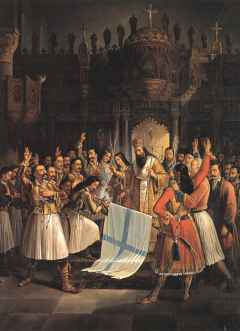
Greek revolutionaries ignited a war in 1821 that shattered centuries of Ottoman rule and birthed a sovereign nation. This conflict drew crucial military aid from Russia, Britain, and France, compelling the Ottomans to concede independence by 1832. The struggle now anchors Greece's national identity, with March 25 marking the day Maniots declared war and launched the revolution that transformed the Eastern Mediterranean.
May 16, 1822
204 years ago
Key Figures & Places


What Else Happened on May 16
Julia Mesa, tía de Caracalla, es expulsada de su casa en Siria por el autoproclamado Macrino y declara a su nieto de 14 años Heliogábalo, emperador de Roma.
A grandmother in exile just handed her teenage grandson the Roman Empire. Julia Maesa didn't accept banishment quietly—the new emperor Macrinus thought sending …
Suzaku was twenty-nine and already done. The youngest emperor to abdicate in two centuries, he'd spent thirteen years watching his own health crumble while cour…
Baldwin IX of Flanders ascended the throne in Constantinople, establishing the Latin Empire after the Fourth Crusade dismantled the Byzantine capital. This coro…
Jaime II de Aragón e Ismail II de Granada firman un tratado de paz y amistad por cinco años que será después renovado.
Jean l'Aveugle, comte du Luxembourg, et roi de Bohême, confère à la ville d'Esch-sur-Alzette le statut de « ville libre ».
Talk to History
Have a conversation with historical figures who witnessed this era. Ask questions, explore perspectives, and bring history to life.