

Jenner Tests Smallpox Vaccine: The First Vaccination in History
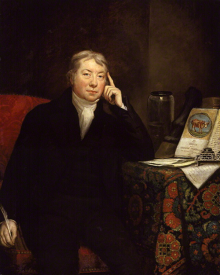
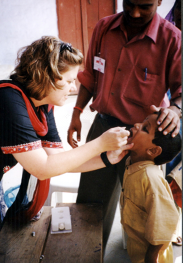
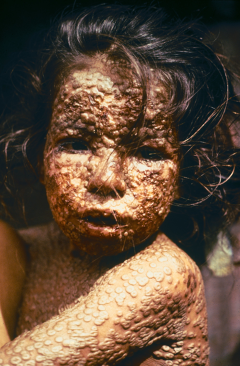
Edward Jenner inoculated eight-year-old James Phipps with cowpox pus on May 14, 1796, proving the milkmaid's immunity could shield humans from smallpox. This single experiment transformed a risky folk practice into a reliable medical standard that eventually eradicated a disease killing one in five people.
May 14, 1796
230 years ago
Key Figures & Places
What Else Happened on May 14
los vikingos, liderados por Oscherus (que en la mitología nórdica es llamado Asgeirr), empiezan a incursionar frecuentemente en el valle del río Sena, robando e…
Robert II was dying, and his kingdom was about to tear itself apart. The old Capetian king had already watched one son rebel against him—his firstborn Hugh, co-…
The Byzantine emperor's ships were already in the lake. Alexios I had secretly sailed a fleet overland—dragged on wheeled platforms, piece by piece—to cut off N…

Simon de Montfort's forces captured King Henry III at Lewes and compelled him to sign the Mise of Lewes, surrendering royal authority to a council of barons. De…
Die freie Reichsstadt Frankfurt am Main erleidet in der Schlacht bei Eschborn während der Kronberger Fehde im Städtekrieg die schwerste Niederlage ihrer Geschic…
The mellah in Fez had walls for a reason. When the Marinid sultan fell in 1465, those walls didn't hold. Rioters poured through during three days of upheaval th…
Talk to History
Have a conversation with historical figures who witnessed this era. Ask questions, explore perspectives, and bring history to life.