

World's First Programmable Computer Demonstrated: Zuse's Z3
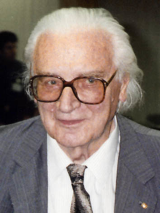
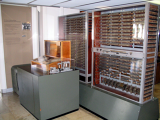
Konrad Zuse's Z3 became the world's first working programmable, fully automatic digital computer by executing statistical analyses of wing flutter for the German Aircraft Research Institute using 2000 relays and punched film. Although the original machine perished in a 1943 Allied bombardment after the government denied funding for electronic upgrades as "not war-important," its legacy endures because it proved Turing-complete in principle and cemented Zuse's status as the computer's inventor.
May 12, 1941
85 years ago
Key Figures & Places

What Else Happened on May 12
en la ciudad de Farsalia (Grecia), Julio César anota que ha visto en el cielo una «bola de fuego llameante» (posiblemente un meteorito).
en Roma se inaugura la Columna de Trajano, diseñada por el arquitecto Apolodoro de Damasco para celebrar la conquista de Dacia (actual Rumania) por parte del em…
Pope Stephen I ascended to the papacy, inheriting a church deeply fractured by debates over whether to readmit Christians who had renounced their faith during R…
Stephen became pope in 254 and immediately decided that baptisms performed by heretics still counted. The Novatianists—rigorists who believed lapsed Christians …
Diocletian's executioner faced a kid who'd barely hit puberty. Fourteen-year-old Pancras refused to burn incense to Roman gods—a crime punishable by death durin…

Zhu Wen forces Emperor Ai to abdicate, shattering the Tang Dynasty's three-century grip on China and plunging the realm into the chaotic Five Dynasties period. …
Talk to History
Have a conversation with historical figures who witnessed this era. Ask questions, explore perspectives, and bring history to life.