

Pullman Strike Begins: 4,000 Workers Walk Out, a National Crisis Follows
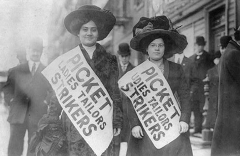
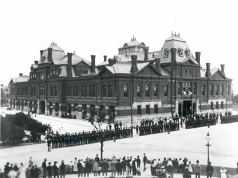
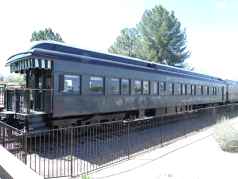
Four thousand Pullman Palace Car Company workers launched a wildcat strike in Illinois, halting rail traffic across the nation and prompting President Grover Cleveland to deploy federal troops. This direct intervention established a precedent for using military force to break labor disputes, setting the stage for decades of intense conflict between organized labor and government authority.
May 11, 1894
132 years ago
Key Figures & Places


What Else Happened on May 11
In Athen, das sich gerade mitten in den Vorbereitungen auf die Sizilienexpedition im Peloponnesischen Krieg gegen Sparta befindet, werden am Morgen zahlreiche H…
Max Hödel fired two shots at Kaiser Wilhelm I on the streets of Berlin, missing the monarch entirely. This failed assassination attempt provided Chancellor Otto…

Constantine picked a fishing town where Europe meets Asia and spent the treasury building churches. Forty thousand workers had six years to turn Byzantium into …
Constantine the Great inaugurated his rebuilt city of Byzantium as New Rome, shifting the imperial center of gravity from the Tiber to the Bosphorus. By establi…
The woodblocks took months to carve, each character cut in reverse by hand. Wang Jie paid for the whole thing—a 16-foot scroll of Buddhist scripture—as a gift f…
The monk Wang Jie paid for the printing out of his own pocket, commissioning woodblock carvers to cut the entire Buddhist text in reverse — 16 feet of paper, ev…
Talk to History
Have a conversation with historical figures who witnessed this era. Ask questions, explore perspectives, and bring history to life.